King Tim III (Personality Jock)

Album: XII (1979)
Play Video

Songfacts®:

  • Initially an unexceptional 7-inch B-side from that fateful summer of 1979, when rap music began to appear on vinyl, "King Tim III" remains today one of the songs persistently vying for the title of "First Hip-Hop Record." This track's claim stands on a narrow chronological edge, having shipped to record stores a mere week before Sylvia Robinson unleashed The Sugarhill Gang's "Rapper's Delight" on consumers. But a closer look at its history suggests that Fatback likely didn't realize they might have been ushering in the next dominant style in American pop music history.

    Formed in 1970, the Fatback Band (later just Fatback) was a New York funk ensemble that updated its sound according to changes in black musical aesthetics over the course of the decade. The group was founded by session drummer Bill Curtis and employed a wide range of musicians. And while the band never had much crossover appeal on the Pop charts, they did score occasional cameos on Billboard's R&B listings, most notably a #12 showing for their 1976 single "Spanish Hustle," and a #9 R&B single with 1978's "I Like Girls." The group experimented with various styles over a number of records, incorporating elements of James Brown-inspired funk, jazz, and Southern soul into their danceable mix. As hip-hop was taking root in the streets, in the underground parties of DJs like Bronx legend Kool Herc, Fatback became an unintentional contributor to the developing musical culture through their 1973 track, "Fatbackin'," an uptempo instrumental that incorporates the main theme from Richard Strauss's "Also Sprach Zarathustra" and - more importantly, to Bronx b-boys - a memorable drum break.

    By the late 70s, Fatback, like many black dance bands, had adopted disco's sound. Intrigued, as well, by the electricity of rapping MCs at Bronx b-boy parties, the group decided to incorporate this musical development also, adding radio DJ Tim Washington as an MC alongside their live performances. Washington, who called himself King Tim, followed in the great tradition of loquacious on-air personalities in African American radio history, a genealogy that includes luminaries like Jack "The Rapper" Gibson, Rufus Thomas, and Jock Henderson. Impressed by the reaction he earned from crowds, Fatback decided to put one of Washington's raps on record: as the B-side to their new single, "You're My Candy Sweet." With the addition of Washington's spoken word track, the song was appropriately rechristened from "Catch the Beat" to its release title, "King Tim III (Personality Jock)," named after Washington.

    While the song may have been something of an afterthought, the tune caught like wildfire with New York radio DJs, who ignored its A-side. Clearly, there was an audience for recorded hip-hop, as The Sugarhill Gang revealed even further and more lucratively with the phenomenal success of "Rapper's Delight" as the summer played out. While the latter song's hype overshadowed some of the pioneer status of Fatback's release, listeners should note how many standard rap devices appear here for the first time, such as the invitation to clap one's hands or King Tim's self-aggrandizing boasts. Fatback may not have anticipated what was to come, but this unassuming B-side surely set the tone for the ensuring three decades in American popular music.
  • Around this time, rap appeared to be a novelty that would soon get played out. This view was shared by at least one member of the Fatback Band. "Rapping is a thing of the past," keyboard player Gerry Thomas told the Los Angeles Times in 1981. "I used to be with the Jimmy Castor Bunch and I know what can happen to a group if they're locked into that novelty thing. That's why we separated King Tim as a solo artist, because Fatback is through with rapping."

Comments

Be the first to comment...

Editor's Picks

Chris Rea

Chris ReaSongwriter Interviews

It took him seven years to recover from his American hit "Fool (If You Think It's Over)," but Chris Rea became one of the top singer-songwriters in his native UK.

Julian Lennon

Julian LennonSongwriter Interviews

Julian tells the stories behind his hits "Valotte" and "Too Late for Goodbyes," and fills us in on his many non-musical pursuits. Also: what MTV meant to his career.
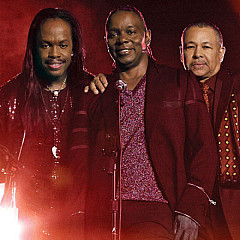
Verdine White of Earth, Wind & Fire

Verdine White of Earth, Wind & FireSongwriter Interviews

The longtime bassist of Earth, Wind & Fire discusses how his band came to do a holiday album, and offers insight into some of the greatest dance/soul tunes of all-time.
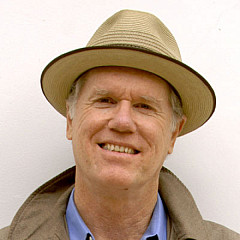
Loudon Wainwright III

Loudon Wainwright IIISongwriter Interviews

"Dead Skunk" became a stinker for Loudon when he felt pressure to make another hit - his latest songs deal with mortality, his son Rufus, and picking up poop.

Kristian Bush of Sugarland

Kristian Bush of SugarlandSongwriter Interviews

Kristian talks songwriting technique, like how the chorus should redefine the story, and how to write a song backwards.

Michael W. Smith

Michael W. SmithSongwriter Interviews

Smith breaks down some of his worship tracks as well as his mainstream hits, including "I Will Be Here For You" and "A Place In This World."