The TV show Cheers was nearly canceled after its first season, but the theme song, "Where Everybody Knows Your Name," was very popular. To satisfy viewer demand, the theme was made into a full song and released as a single.
"Ain't Nobody" by Rufus & Chaka Khan was one of the first big hits to use a sequencer, which is how that distinctive keyboard loop was created. The song almost landed on Michael Jackson's Thriller album, but the group decided to keep it.
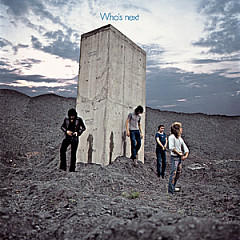
"Won't Get Fooled Again" by The Who is about a revolution, but it doesn't have a happy ending, since in the end the new regime becomes just like the old one. Pete Townshend thought that whoever was in power was destined to become corrupt.
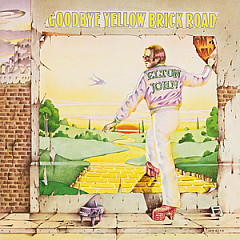
Marilyn Monroe is the subject of Elton John's "Candle In The Wind," but the song is really a look at how we react to celebrities who die young.
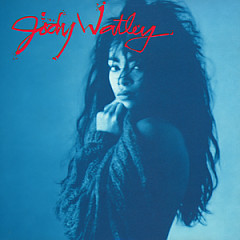
The phrase "Hasta la vista, baby" was popularized in the 1987 Jody Watley song "Looking For A New Love," four years before Arnold Schwarzenegger said it in the movie Terminator 2: Judgment Day.
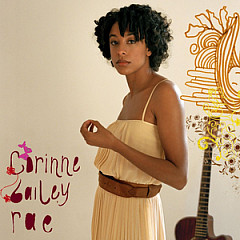
Corinne Bailey Rae's 2006 hit "Put Your Records On" borrows the opening line ("Three little birds sat on my window") from the Bob Marley song "Three Little Birds." Both songs have the same message: Don't worry, because every little thing's going to be alright.

dUg dIgs into his King's X metal classics and his many side projects, including the one with Jeff Ament of Pearl Jam.
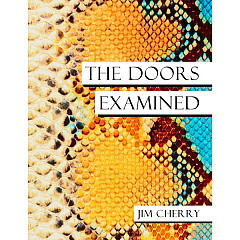
Doors expert Jim Cherry, author of The Doors Examined, talks about some of their defining songs and exposes some Jim Morrison myths.
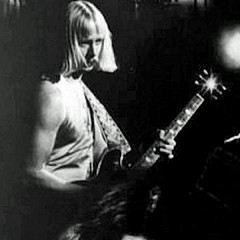
In this talk from the '80s, the Kansas frontman talks turning to God and writing "Dust In The Wind."
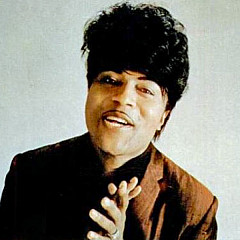
Was Long Tall Sally a cross-dresser? Did he really set his piano on fire? See if you know the real stories about one of rock's greatest innovators.
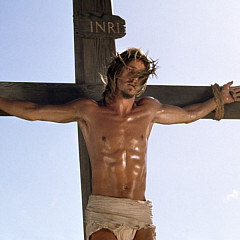
The in-depth discussion about the making of Jesus Christ Superstar with Ted Neeley, who played Jesus in the 1973 film.