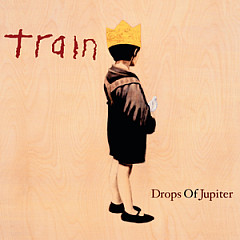
Many assumed Train's breakthrough hit, "Drops Of Jupiter (Tell Me)," is about a woman who leaves a relationship to find herself. Lead singer Pat Monahan actually wrote it after having a dream about his mother, who was "back in the atmosphere" after dying of cancer.
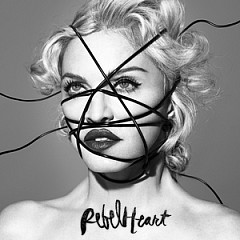
"Ghosttown" from 2014 was Madonna's 45th chart-topper on the Dance Club Songs chart, breaking the record for the most #1s an artist has tallied on a single Billboard chart.

"If It Makes You Happy" by Sheryl Crow is about the sour grapes some of her collaborators from her first album expressed to the media when they felt slighted.

Katy Perry's breakout hit, "I Kissed A Girl," was surprising to those familiar with her past: Her parents were pastors and she started off singing Christian music.
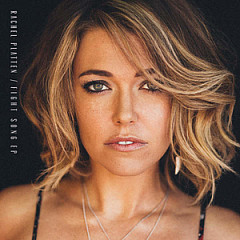
Rachel Platten refused to talk politics when her "Fight Song" became the anthem for Hillary Clinton's 2016 presidential campaign, a decision she came to regret.
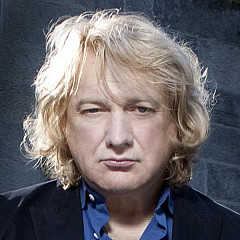
Gramm co-wrote this gorgeous ballad and delivered an inspired vocal, but the song was the beginning of the end of his time with Foreigner.

Smith breaks down some of his worship tracks as well as his mainstream hits, including "I Will Be Here For You" and "A Place In This World."
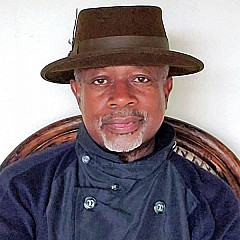
Keyboard great David Sancious talks about his work with Sting, Seal, Springsteen, Clapton and Aretha, and explains what quantum physics has to do with making music.
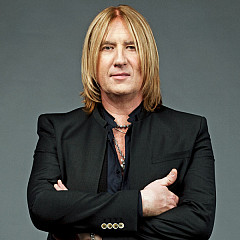
The Def Leppard frontman talks about their "lamentable" hit he never thought of as a single, and why he's juiced by his Mott The Hoople cover band.
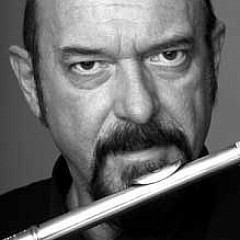
The flautist frontman talks about touring with Led Zeppelin, his contribution to "Hotel California", and how he may have done the first MTV Unplugged.
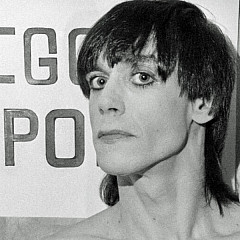
Chris Stein of Blondie shares photos and stories from his book about the New York City punk scene.