
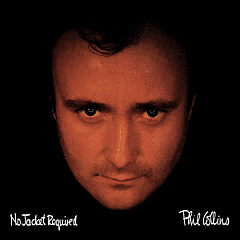
Phil Collins' "Take Me Home" is about a patient in a mental institution and was inspired by the novel One Flew Over the Cuckoo's Nest.
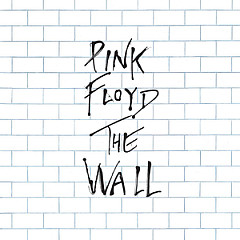
Producer Bob Ezrin convinced Pink Floyd to put a disco beat and children's chorus on "Another Brick In The Wall (Part 2)," which started out as a short interstitial for their album The Wall.

In the late '70s, John Lennon slowed his roll, becoming a househusband who baked bread and took care of his young son Sean. This inspired his song "Watching The Wheels," where he discovers the benefits of taking it easy.
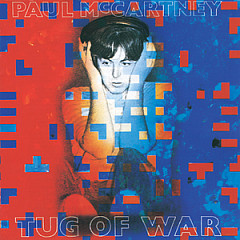
Paul McCartney wrote "Ebony and Ivory," his duet with Stevie Wonder, after a tiff with his wife Linda. "It was like, 'Why can't we get it together- our piano can,'" he explained.
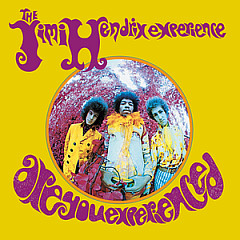
Jimi Hendrix wrote "The Wind Cries Mary" not about marijuana, but about his girlfriend at the time, Kathy Mary Etchingham.

Members of the San Francisco 49ers, including Dwight Clark, Joe Montana and Ronnie Lott, sang backup on "Hip to Be Square" by Huey Lewis and the News.

Rudolf, Bob Dylan and the Singing Dogs all show up in this Fact or Fiction for seasonal favorites.
On Glen's résumé: hit songwriter, Facebook dominator, and member of Styx.
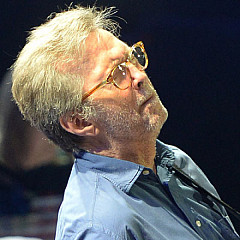
Did Eric Clapton really write "Cocaine" while on cocaine? This question and more in the Clapton edition of Fact or Fiction.
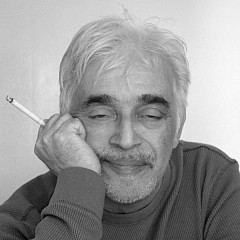
A talented lyricist, Philip helped revive Neil Sedaka's career with the words to "Laughter In The Rain" and "Bad Blood."

Can you be married in one country but not another? Only if you're part of a gay couple. One of the first famous singers to come out as a lesbian, Janis wrote a song about it.

Steppenwolf frontman John Kay talks about "Magic Carpet Ride," "Born To Be Wild," and what he values more than awards and accolades.