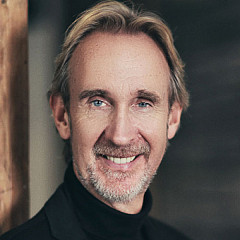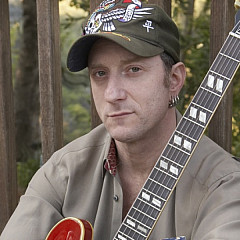
1982-1989Paul WellerVocals, guitar1982-1989
Mick TalbotKeyboards1982-1989
Steve WhiteDrums1983-1989
Dee C. LeeVocals1984-1989
The Style Council was formed in late 1982 by Paul Weller and keyboardist Mick Talbot. Weller had shocked fans just months earlier in October 1982 by disbanding The Jam at the absolute height of their commercial success, right as their final single, "
Beat Surrender," sat at #1. Opting to pursue a more soulful, jazz-influenced direction instead, Weller quickly expanded the lineup. Drummer Steve White joined the pair shortly after to complete the core group, while vocalist Dee C. Lee, who would later marry Weller, became another key member of the band.
The seeds of the Style Council were sown when Weller read Colin MacInnes' 1959 novel Absolute Beginners - a portrait of a sharp, free-thinking, jazz-loving teenager in late 1950s London. Weller said in the 2020 documentary Long Hot Summers: The Story of the Style Council that the book gave him "a kind of another rebirth of mod... the kind of blueprint, really, for modernism - embracing all these different cultures and not being xenophobic and suspicious of anything foreign."
The name reflected that dual vision - "Style" nodding to the mod belief that clothing and attitude are inseparable from identity, and "Council" suggesting a collective rather than the Weller-fronted vehicle The Jam had been.
Before co-founding the Style Council, Mick Talbot had already packed in a varied career as a keyboard player. He was a member of mod revivalists the Merton Parkas - a south London band he formed with his brother Danny - before going on to play with Dexys Midnight Runners and then the Bureau. The connection with Weller stretched back further still: Talbot had contributed keyboards to "Heatwave" on The Jam's 1979 album Setting Sons.
Drummer Steve White is the older brother of Alan White, who played drums for Oasis from 1995 to 2004. In fact, Alan landed the Oasis gig after Paul Weller personally recommended him to Noel Gallagher. Recalling his time with The Style Council on his official website, Steve noted that he was "never officially told he had the gig"; he simply kept being called back.
The Style Council's debut single, "
Speak Like A Child" (March 1983), was named in tribute to Herbie Hancock's 1968 Blue Note album of the same name. It reached #4 on the UK Singles chart, a strong debut for the newly formed group.
The Style Council were prominent members of Red Wedge, the musician-led collective formed in 1985 to engage young voters and support the Labour Party ahead of the 1987 general election. Weller later had mixed feelings about the campaign, admitting: "It was the biggest mistake ever for me."
After Labour's defeat in the election, he stepped back from overt political campaigning, though the band's music remained socially conscious throughout their career.
The Style Council performed at Live Aid on July 13, 1985, playing at Wembley Stadium in front of 72,000 people. Their performance included "
Walls Come Tumbling Down" and "
You're The Best Thing," broadcast to an estimated global audience of 1.9 billion. The appearance came at the peak of the band's commercial and critical standing.
Their final studio album, Modernism: A New Decade, was a house-influenced record that Polydor flatly refused to release in 1989, leading directly to the band being dropped and breaking up. The record was shelved entirely for nearly a decade, finally surfacing in 1998 as part of a 5-CD box set. Weller has since been candid about its shortcomings, saying simply that "it wasn't very good."
After the Style Council disbanded in 1989, Weller spent a couple of years out of the spotlight before relaunching as a solo artist in 1992. His early solo work was initially met with indifference from the British music press, but he slowly rebuilt his reputation and became one of the defining figures of the Britpop era - a movement whose leading lights, including Noel Gallagher and Damon Albarn, cited him as a primary influence. By the mid-1990s he had earned the nickname "the Modfather," and his 1995 album Stanley Road reached #1 in the UK, confirming one of British music's most remarkable comebacks.