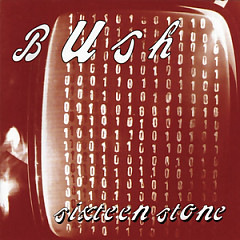
After Gwen Stefani and Gavin Rossdale coupled up in 1996, Rossdale's Bush bandmates referred to their hit song "Everything Zen" as "Everything Gwen."
Irving Berlin, who wrote "God Bless America," said it was "not a patriotic song, but rather an expression of gratitude."
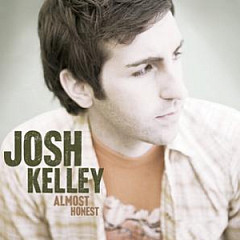
Katherine Heigl played Josh Kelley's love interest in the video for his 2005 song "Only You." They met on the shoot, became a real-life couple, and got married two years later. That's good casting!
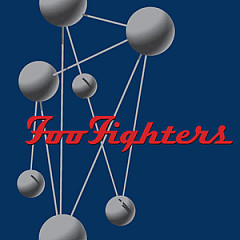
The Foo Fighters song "Everlong" isn't about Kurt Cobain, but Dave Grohl's girlfriend at the time, Veruca Salt frontwoman Louise Post.
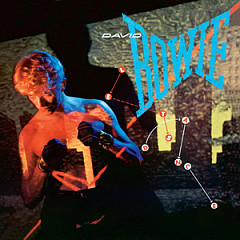
David Bowie's "Let's Dance" is about more than just dancing. It's about dishonesty, particularly when we mask our true feelings.
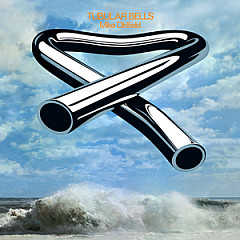
The Exorcist theme music is a portion of "Tubular Bells," a 25-minute song released by 19-year-old Mike Oldfield.
Was Justin the first to be Punk'd by Ashton Kutcher? Did Britney really blame him for her meltdown? Did his bandmates think he was gay?
Prince is shrouded in mystery, making him an excellent candidate for Fact or Fiction. Is he really a Scientologist? Does he own an exotic animal?
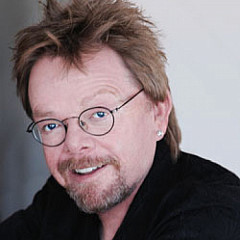
He's a singer and an actor, but as a songwriter Paul helped make Kermit a cultured frog, turned a bank commercial into a huge hit and made love both "exciting and new" and "soft as an easy chair."
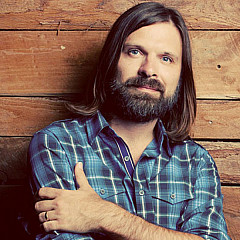
The Third Day frontman talks about some of the classic songs he wrote with the band, and what changed for his solo country album.
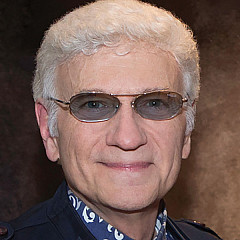
Dennis DeYoung explains why "Mr. Roboto" is the defining Styx song, and what the "gathering of angels" represents in "Come Sail Away."