

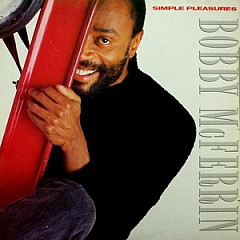
The song "Don't Worry Be Happy" doesn't use any instruments - it's all Bobby McFerrin using various parts of his body to make the sounds.
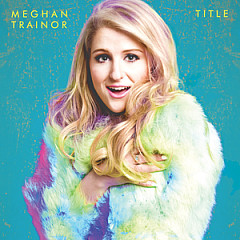
Meghan Trainor wrote "Lips Are Movin" in just eight minutes with her writing partner Kevin Kadish. Inspiration for the song was frustration with Trainor's record label.
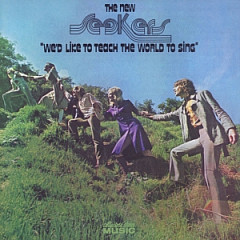
The first hit song that was used in a commercial before it was released as a single was "I'd Like To Teach The World To Sing," which was written for a Coke ad.
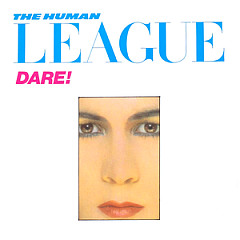
"Don't You Want Me" by The Human League was inspired by the 1976 movie A Star Is Born, which tells the story of an aging star who is upstaged by his lover/protégé. The group had just introduced two unheralded female singers into their lineup, so many assumed it was about them.
According to Jason Bonham, who has filled in for his father on Led Zeppelin reunions, "Rock And Roll" is the hardest Led Zep song to play on drums.
Producer Bob Ezrin convinced Pink Floyd to put a disco beat and children's chorus on "Another Brick In The Wall (Part 2)," which started out as a short interstitial for their album The Wall.
Bradley Cooper, Michael J. Fox, Rami Malek, Reese Witherspoon, Gwyneth Paltrow and George Clooney: Which actors really sang in their movies?
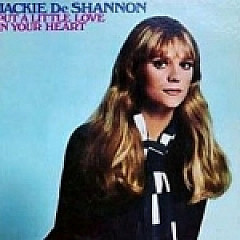
It wasn't her biggest hit as a songwriter (that would be "Bette Davis Eyes"), but "Put a Little Love in Your Heart" had a family connection for Jackie.
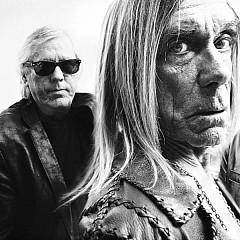
The Stooges guitarist (and producer of the Kill City album) talks about those early recordings and what really happened with David Bowie.
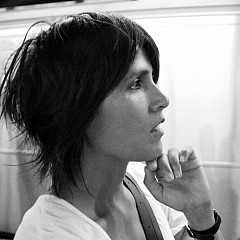
When she released her first album in 1988, Tanita became a UK singing sensation at age 19. She talks about her darkly sensual voice and quirky songwriting style.
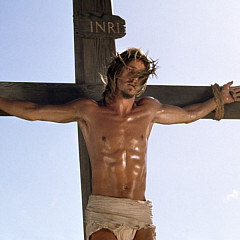
The in-depth discussion about the making of Jesus Christ Superstar with Ted Neeley, who played Jesus in the 1973 film.
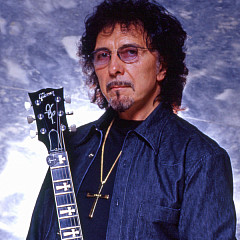
Guitarist Tony Iommi on the "Iron Man" riff, the definitive Black Sabbath song, and how Ozzy and Dio compared as songwriters.