


Creedence Clearwater Revival's first single was a cover of a rockabilly song called "Susie Q." When it became a hit, group leader John Fogerty went into a songwriting frenzy so they wouldn't be one-hit wonders, resulting in hits like "Proud Mary" and "Lodi."
Many assumed Train's breakthrough hit, "Drops Of Jupiter (Tell Me)," is about a woman who leaves a relationship to find herself. Lead singer Pat Monahan actually wrote it after having a dream about his mother, who was "back in the atmosphere" after dying of cancer.
Bernie Taupin was 17 when he wrote the lyrics to Elton John's "Your Song." Looking back, he says it's "one of the most naïve and childish lyrics in the entire repertoire of music."
Phil Collins' "I Missed Again" was originally "I Miss You, Babe," and was a very somber song about his recent divorce. Collins decided to lighten it up and inject some humor into the song.
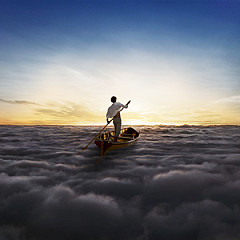
Pink Floyd's "Talkin' Hawkin'" uses a sample of Stephen Hawking's synthesized voice taken from a speech he made for a 1994 British Telecom commercial.
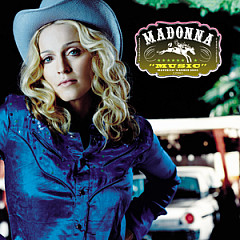
Madonna's hit "Don't Tell Me" was written by her brother-in-law, Joe Henry, who has produced albums by Hugh Laurie and Bonnie Raitt.

The stories behind the biggest hit songs about trucking.
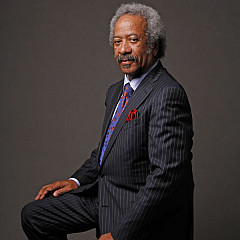
A song he wrote and recorded from "sheer spiritual inspiration," Allen's didn't think "Southern Nights" had hit potential until Glen Campbell took it to #1 two years later.
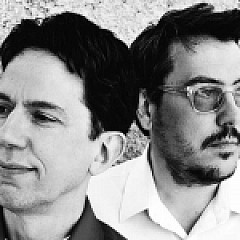
Who writes a song about a name they found in a phone book? That's just one of the everyday things these guys find to sing about. Anything in their field of vision or general scope of knowledge is fair game. If you cross paths with them, so are you.
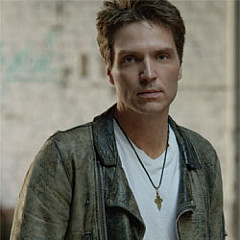
Richard explains how Joe Walsh kickstarted his career, and why he chose Hazard, Nebraska for a hit.

Dan cracked the Top 40 with "Ritual," then went to India and spent 2 hours with the Dalai Lama.
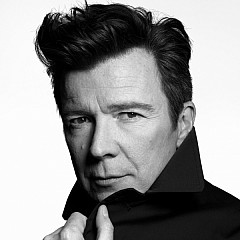
Rick Astley on "Never Gonna Give You Up," "Cry For Help," and his remarkable resurgence that gave him another #1 UK album.