
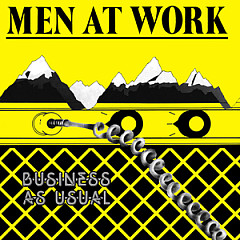
Often heard as a patriotic song celebrating their homeland of Australia, "Down Under" by Men At Work is really about the selling of that country, and it makes a strong political statement.
"The Rubberband Man" is a "short, fat guy" with rhythm and grace. Spinners producer Thom Bell wrote it to boost the self-esteem of his rotund son.
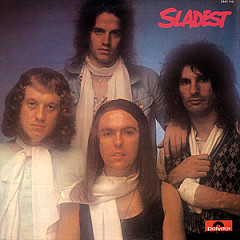
"Cum On Feel The Noise" was originally recorded by the British glam band Slade in 1973. Quiet Riot had their first hit with the song when they recorded it in 1983.
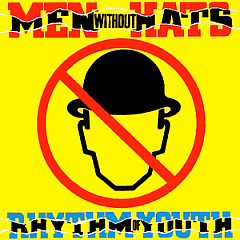
The Men Without Hats lead singer wrote "The Safety Dance" after getting kicked out of a bar for dancing too aggressively. The song is literally about being safe to dance if you want to.
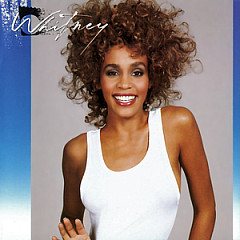
Whitney Houston's "I Wanna Dance With Somebody" is a joyful-sounding song with lyrics that are surprisingly somber: "when the night falls, loneliness calls." It's co-writer explained: "Many of our friends were in this boat - 5 o'clock comes around, they start getting restless."
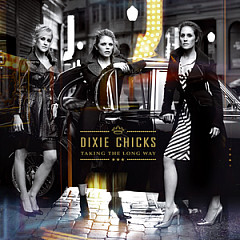
The first country song to win a Grammy for Record of the Year was "Not Ready To Make Nice" by The Dixie Chicks in 2007.

The lead singer/lyricist for Anberlin breaks down "Impossible" and covers some tracks from their 2012 album Vital.
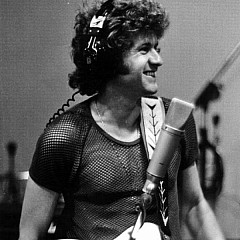
Inspired by his dear friend, "Seasons in the Sun" paid for Terry's boat, which led him away from music and into a battle with Canadian paper mills.
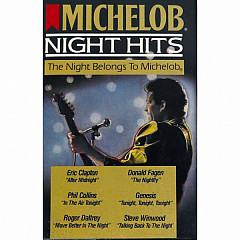
Michelob commercials generated hits for Eric Clapton, Genesis and Steve Winwood in the '80s, even as some of these rockers were fighting alcoholism.

The lead singer and pianist for Procol Harum, Gary talks about finding the musical ideas to match the words.
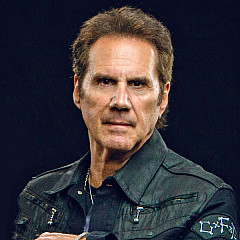
Kelly Keagy of Night Ranger tells the "Sister Christian" story and explains why he started sweating when he saw it in Boogie Nights.
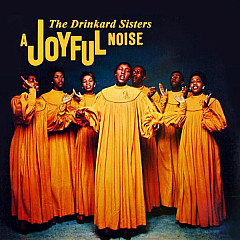
A big list of musical marriages and family relations ranging from the simple to the truly dysfunctional.