Protect Ya Neck

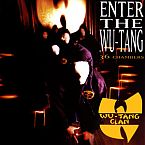
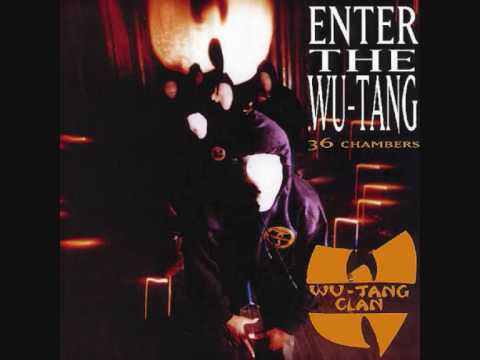
Album: Enter the Wu-Tang (36 Chambers) (1992)
Play Video

Songfacts®:

  • This blast of hardcore hip-hop was the first Wu-Tang Clan release. The Staten Island group financed the recording themselves and pressed a 12" single containing three versions of this song and a vocal and instrumental version of "After The Laughter Comes Tears" as the B-side. They also took care of distribution (bringing the single to local record shops and selling out of cars) and promotion (hitting up local clubs and radio stations) on their own. Their plan worked, and this DIY underground success gave the act instant credibility, as it was clear that these guys were real hustlers who lived their lyrics, and not a burnished record company creation. Major labels came calling, and the group signed with RCA subsidiary Loud Records in a deal that included an unusual clause: all members were free to pursue solo careers outside of the label.
  • This song was a great introduction to the Wu-Tang Clan, since eight of their nine members feature on vocals (only Masta Killa doesn't get a lead). The Clan introduce themselves on the track, making it clear that they are not to be messed with.
  • GZA's verse at the end of the song makes it clear how they feel about the music industry, as he raps: "The Wu is too slammin' for these Cold Killin' labels." Before Wu-Tang, GZA had a solo deal with Cold Chillin' Records, which soured him on the industry. RZA also had a pre-WU record deal, releasing a single (under the alias Prince Rakeem) called "Ooh, I Love You Rakeem" on Tommy Boy Records. That one also flopped.
  • A few musical references in the verses:

    When Inspectah Deck raps, "You battle, you're sayin' goodbye like Tevin Campbell," he's referring to Campbell's 1991 song "Goodbye."

    When Method Man raps, "Like fame, my style will live forever," he's harkening to the theme song for the TV show Fame, where Irene Cara sings, "Fame... I'm gonna live forever."
  • Joseph Kahn directed the mostly black-and-white music video for this track. Kahn started his career at the helm of rap videos for acts like Snoop Dogg, Public Enemy, and Scarface. He would also famously direct clips like Janet Jackson's pricey "Doesn't Really Matter."
  • This plays in the 2017 "Don't Be Ridiculous" episode of the HBO series The Leftovers in a scene where the characters Nora (Carrie Coon) and Erika (Regina King) cathartically bounce on a trampoline. In the episode, Nora gets the Wu-Tang Clan logo tattooed on her arm to cover the names of her children. Wu-Tang songs are notoriously difficult to clear because they have so many samples and so many credited songwriters (every member who raps a verse gets a credit and must grant permission), but the show was able to secure "Protect Ya Neck" for $30,000, according to Business Insider.

Comments

Be the first to comment...

Editor's Picks

Donnie Iris (Ah! Leah!, The Rapper)

Donnie Iris (Ah! Leah!, The Rapper)Songwriter Interviews

Before "Rap" was a form of music, it was something guys did to pick up girls in nightclubs. Donnie talks about "The Rapper" and reveals the identity of Leah.

Johnette Napolitano of Concrete Blonde

Johnette Napolitano of Concrete BlondeSongwriter Interviews

The singer/bassist for Concrete Blonde talks about how her songs come from clairvoyance, and takes us through the making of their hit "Joey."

Penny Ford of Snap!

Penny Ford of Snap!Songwriter Interviews

The original voice of Snap! this story is filled with angry drag queens, video impersonators and Chaka Khan.

Jonathan Cain of Journey

Jonathan Cain of JourneySongwriter Interviews

Cain talks about the divine inspirations for "Don't Stop Believin'" and "Faithfully."

Jon Anderson of Yes

Jon Anderson of YesSongwriter Interviews

From the lake in "Roundabout" to Sister Bluebird in "Starship Trooper," Jon Anderson talks about how nature and spirituality play into his lyrics for Yes.

Al Kooper

Al KooperSongwriter Interviews

Kooper produced Lynyrd Skynyrd, played with Dylan and the Stones, and formed BS&T.