
The first Good Charlotte hit, "Lifestyles Of The Rich And Famous," is a send-up of celebrity culture, but the group's leaders, Joel and Benji Madden, both married celebrities: Nicole Richie and Cameron Diaz, respectively.
When Pearl Jam plays "Daughter" live, they usually extend the ending so Eddie Vedder can improvise, saying or singing whatever is on his mind.
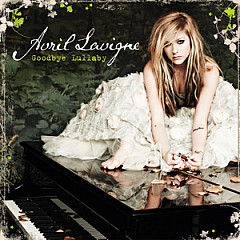
Avril Lavigne's 2011 song "Darlin" was written much earlier; she says it's the second song she ever wrote, composed when she was an unsigned 15-year-old living in Napanee, Ontario. The song reflects those years when she was "trying to figure it all out."
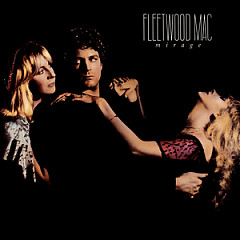
Fleetwood Mac's "Gypsy" is about Stevie Nicks' best friend, who died of leukemia.

Weezer frontman Rivers Cuomo wrote "Beverly Hills" after seeing a photo of the group Wilson Phillips and imagining what it would be like to marry someone famous.
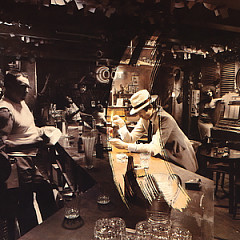
In Led Zeppelin's "Fool In The Rain," the guy goes into a funk when he thinks he's been stood up, but is elated when he realizes he's been standing on the wrong corner, and it's all a terrible mess.
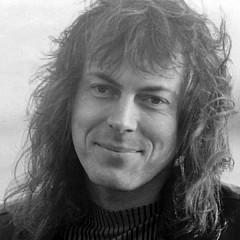
Dokken frontman Don Dokken explains what broke up the band at the height of their success in the late '80s, and talks about the botched surgery that paralyzed his right arm.
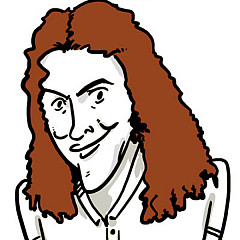
Did Al play on a Beach Boys record? Did he have beef with George Lucas and Coolio? See if you can spot weird but true stories.
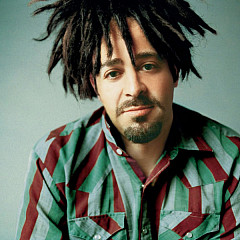
"Mr. Jones" took on new meaning when the song about a misguided view of fame made Adam famous.
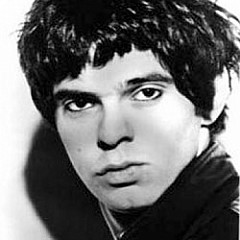
JJ talks about The Stranglers' signature sound - keyboard and bass - which isn't your typical strain of punk rock.
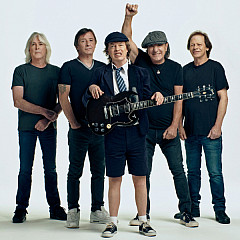
Does Angus really drink himself silly? Did their name come from a sewing machine? See if you can spot the real stories about AC/DC.
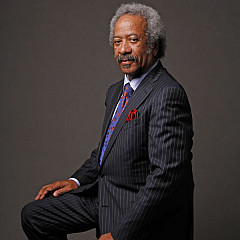
A song he wrote and recorded from "sheer spiritual inspiration," Allen's didn't think "Southern Nights" had hit potential until Glen Campbell took it to #1 two years later.