
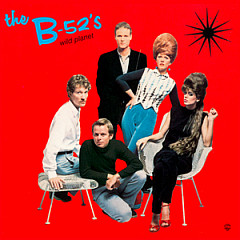
The B-52's chose the location of their song "Private Idaho" because the state has a reputation for being wacky and mysterious. The title is a play on the phrase "private eye."
"Stay" by Lisa Loeb was the first #1 hit by an unsigned artist. It got a boost from Ethan Hawke, who got it into a movie he starred in called Reality Bites.
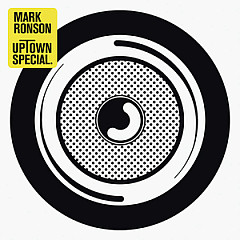
The biggest hit of 2015 was "Uptown Funk," a collaboration between Bruno Mars and guitarist/producer Mark Ronson. Ronson says making it took "six or seven months of chasing Bruno around on tour."
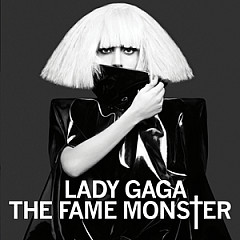
The Lady Gaga/Beyoncé collaboration "Telephone" isn't just about turning down an unwanted caller, it's an analog for how Gaga was feeling overwhelmed, like a phone was always ringing in her head.
"I Guess That's Why They Call It The Blues" by Elton John was written for the sister of actress Rene Russo. Bernie Taupin, who wrote the lyrics, was married to Rene's sister, Toni.
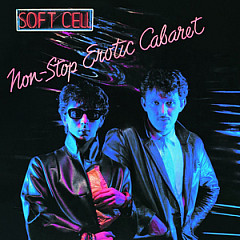
"Tainted Love" started as a 1964 soul song by Gloria Jones, became a huge hit when Soft Cell covered it in 1981, and was the basis for Rihanna's 2006 #1 "S.O.S. (Rescue Me)."
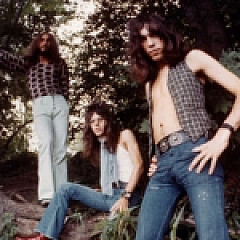
Richie talks about producing the first two Kiss albums, recording "Brother Louie," and the newfound appreciation of his rock band, Dust.
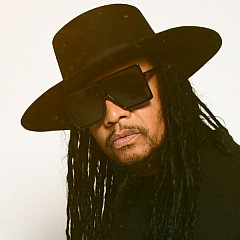
The British reggae legend tells the story of his #1 hit "Close To You," talks about his groundbreaking Shabba Ranks collaboration "Housecall," and discusses his latest project with Robin Trower.
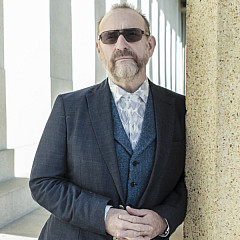
Established as a redoubtable singer-songwriter, the Men At Work frontman explains how religion, sobriety and Jack Nicholson play into his songwriting.
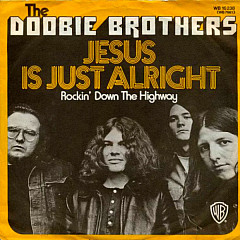
These overtly religious songs crossed over to the pop charts, despite resistance from fans, and in many cases, churches.
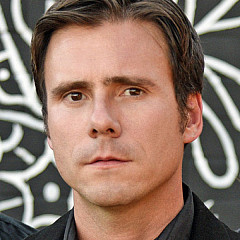
Jim talks about the impact of "The Middle" and uses a tree metaphor to describe his songwriting philosophy.
John Lennon, Paul Simon and Lynyrd Skynyrd are some of the artists who have written revenge songs. Do you know who they wrote them about?