Revival

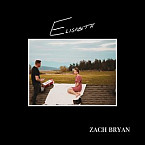
Album: Elisabeth (2020)
Play Video

Songfacts®:

  • A Christian revival is a high-spirited celebration of God; they're not uncommon in Oklahoma, where Zach Bryan was raised. The revival he sings about here is different, though. It's a gathering where good friends get together and enjoy each others' company, with whiskey used as a social lubricant. The song shows how Bryan values the people around him - when they get together for a party, it rises to the level of religious experience.
  • Zach Bryan released "Revival" in 2020 when he was still in the Navy. During his eight years of service, he wrote and recorded songs, releasing them independently on his own label, Belting Bronco. The song is part of his second album, Elisabeth, named after the woman he married that year, Rose Elisabeth Madden (they divorced a year later).

    When he got out of the Navy in 2021, Bryan signed with Warner Records, which released his album American Heartbreak in 2022. Thanks to his heartfelt songwriting and compelling backstory, the album went to #1 on the Country chart.

    Even as his hits piled up, Bryan kept "Revival" in his setlists, usually playing it in the encore to send everyone home with a smile. That's how many fans discovered the song, which had its own revival thanks to a live version on Bryan's 2022 album All My Homies Hate Ticketmaster (Live from Red Rocks). In 2025 the song was certified Double Platinum thanks to streaming.
  • Zach Bryan won't be getting airtime on Christian radio anytime soon, but he was raised in the Baptist church and often injects religious themes into his lyrics. Here, he asks to be baptized "in a bottle of Beam," meaning Jim Beam whiskey. This could come off mocking, but that's not Bryan's vibe. Later in the song, he sings, "The Devil can scrap but the Lord has won," echoing a core Christian theme. It's like his own personal sermon reflecting his spiritual journey.
  • The line, "Put Johnny on the vinyl," is a reference to Johnny Cash, a deeply religious singer who often sinned. Cash showed how you could worship God while often running afoul of His teachings.
  • The line, "Merle said, 'Mama tried, but the prison still won,'" calls out to the 1968 Merle Haggard song "Mama Tried," which Haggard wrote in prison when he was doing a bid for robbery.
  • Other songs where Bryan uses religious imagery include "Burn, Burn Burn," "Hey Driver" and "Spotless."
  • It was quite a revival a Michigan Stadium on September 27, 2025 when Bryan ended his set with an extended version of this song followed by a fireworks display. This was the first concert ever held at the stadium, where the University of Michigan Wolverines play their football games - a religious experience for many, especially if they beat Ohio State. It's the largest stadium in America, so Bryan was able to pack in over 112,000 fans, breaking the record (previously held by George Strait) for highest attendance at a ticketed concert.

Comments

Be the first to comment...

Editor's Picks

Sarah Brightman

Sarah BrightmanSongwriter Interviews

One of the most popular classical vocalists in the land is lining up a trip to space, which is the inspiration for many of her songs.

George Harrison

George HarrisonFact or Fiction

Did Eric Clapton really steal George's wife? What's the George Harrison-Monty Python connection? Set the record straight with our Fact or Fiction quiz.

Rick Astley

Rick AstleySongwriter Interviews

Rick Astley on "Never Gonna Give You Up," "Cry For Help," and his remarkable resurgence that gave him another #1 UK album.

Deconstructing Doors Songs With The Author Of The Doors Examined

Deconstructing Doors Songs With The Author Of The Doors ExaminedSong Writing

Doors expert Jim Cherry, author of The Doors Examined, talks about some of their defining songs and exposes some Jim Morrison myths.

Kip Winger

Kip WingerSongwriter Interviews

The Winger frontman reveals the Led Zeppelin song he cribbed for "Seventeen," and explains how his passion for orchestra music informs his songwriting.

Philip Cody

Philip CodySongwriter Interviews

A talented lyricist, Philip helped revive Neil Sedaka's career with the words to "Laughter In The Rain" and "Bad Blood."