
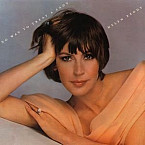
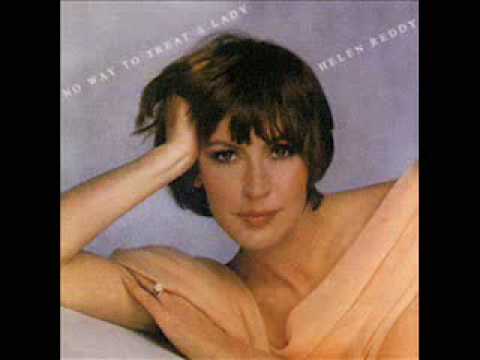
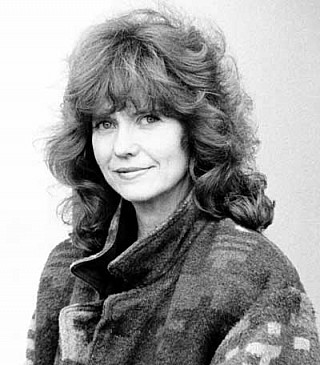
 Harriet Schock, an acclaimed performing artist in her own right, has had covers of her songs recorded by numerous artists, including Helen Reddy, Smokey Robinson, Roberta Flack, Lee Greenwood, Johnny Mathis, Nancy Wilson, Manfred Mann, Vicki Carr, Jeannie Kendall, and the new Supremes. She is also a teacher and a coach to aspiring songwriters and the author of her own book about songwriting.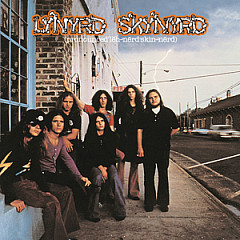
Ronnie Van Zant wrote the Lynyrd Skynyrd classic "Gimme Three Steps" after making the mistake of dancing with a girl whose boyfriend was in the bar and probably had a gun. He asked for a 3-step head start.
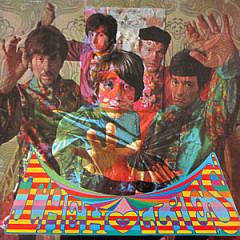
The Hollies' 1967 hit "Carrie Anne" is about the British singer-actress Marianne Faithfull, but with "Marianne" changed to "Carrie-Anne" to disguise it. Faithfull dated Allan Clarke of The Hollies.
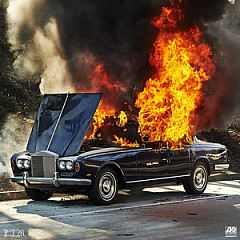
"Feel It Still" by Portugal. The Man deals with lead singer John Gourley becoming a "rebel just for kicks" after having a daughter and settling down. "It's hard to be a punk when you're thinking about your baby daughter at home," he says.
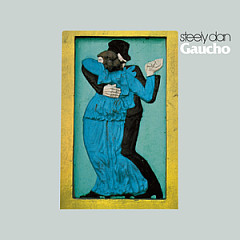
Steely Dan's engineer, Roger Nichols, built one of the first drum machines, which they used on "Hey Nineteen."

Pat Benatar's "Hit Me With Your Best Shot" was written by a guy named Eddie after going through a weird therapy session where he punched pillows to get out his aggressions.
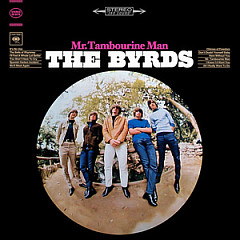
"Mr. Tambourine Man" is the only song Bob Dylan wrote that became a #1 hit on the Hot 100. The Byrds' cover topped the chart in 1965.
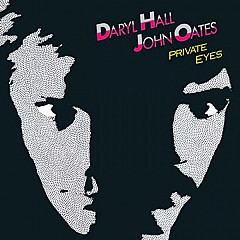
How a goofy detective movie, a disenchanted director and an unlikely songwriter led to one of the biggest hits in pop history.
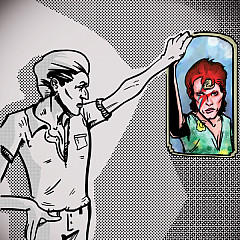
Long before Eminem, Justin Bieber and Nicki Minaj created alternate personas, David Bowie, Bono, Joni Mitchell and even Hank Williams took on characters.
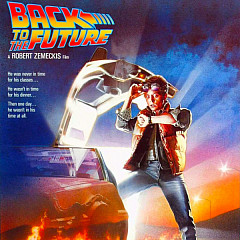
Bradley Cooper, Michael J. Fox, Rami Malek, Reese Witherspoon, Gwyneth Paltrow and George Clooney: Which actors really sang in their movies?

With Bernie Taupin, Martin co-wrote the #1 hits "We Built This City" and "These Dreams." After writing the Pretty Woman song for Go West, he had his own hit with "In the House of Stone and Light."
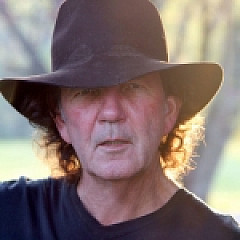
The writer of "Rainy Night in Georgia" and "Polk Salad Annie" explains how he cooks up his Louisiana swamp rock.

Rise Against frontman Tim McIlrath explains the meanings behind some of their biggest songs and names the sci-fi books that have influenced him.