
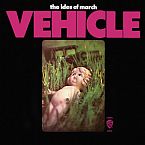
 The Vehicle album was the first one released by The Ides of March, who were teenagers at the time and had not input on the album cover. Warner Bros. Records delivered this cover, playing off the lyrics in the title track about a "friendly stranger in the black sedan."
Billy Joel's "Uptown Girl" is about Christie Brinkley, who he married, but it started as a song about Elle McPherson, who he also went out with.

"Celebration" by Kool & the Gang has a deeper meaning - it was inspired by a verse in the Quran where angels celebrate as God creates man.
The Information Society hit "What's On Your Mind (Pure Energy)" samples the voice of Leonard Nimoy (Spock) from an episode of Star Trek.
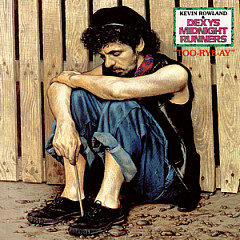
Dexys Midnight Runners' "Come on Eileen" is based on a real girl called Eileen that the band's Kevin Rowland had a relationship with in his early teenage years.
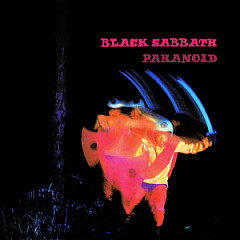
"Paranoid" reflects a feeling Black Sabbath bass player Geezer Butler often felt after using drugs.
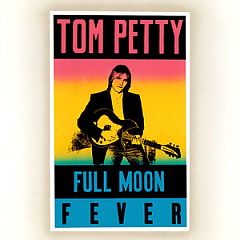
"Free Fallin'" by Tom Petty is set in Los Angeles, as he mentions Reseda, Mulholland and Ventura Boulevard.
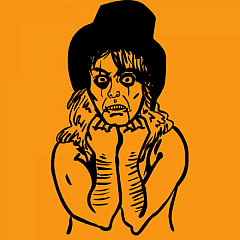
How well do you know this shock-rock harbinger who's been publicly executed hundreds of times?
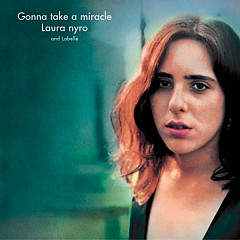
Laura Nyro talks about her complex, emotionally rich songwriting and how she supports women's culture through her art.
Prince is shrouded in mystery, making him an excellent candidate for Fact or Fiction. Is he really a Scientologist? Does he own an exotic animal?

Call us crazy, but we like it when an artist comes around who doesn't mesh with the status quo.

The British reggae legend tells the story of his #1 hit "Close To You," talks about his groundbreaking Shabba Ranks collaboration "Housecall," and discusses his latest project with Robin Trower.

An interview with Ray and Derek Shulman of the progressive rock band Gentle Giant to discuss counterpoint, polyrhythms, and... Bon Jovi.