


There aren't many songs with a scientist as the main character, but Coldplay's "The Scientist" is one of their biggest hits. The guy in the song is brilliant, but despondent because he's lost his girl after neglecting her for his work.
Buck Dharma of Blue Oyster Cult wrote "(Don't Fear) The Reaper" after he was diagnosed with a heart condition and started thinking about his own mortality.

Mary J. Blige introduced three new words with her hit "Family Affair": hateration, holleration and dancerie.

One of the most enduring songs from the '90s is "Iris" by The Goo Goo Dolls, which got huge on social media and streaming in the 2020s. The song was written for a movie called City Of Angels, about an angel (Nicolas Cage) who falls in love with a human (Meg Ryan).
The Frozen song "Let It Go" was recorded in 42 different languages for the movie's foreign releases. This earned it an entry in the 2016 Guinness World Records publication for "Most Languages Featured on a Single."

Sia Furler wrote "Titanium" and wanted to give the tune to Katy Perry. She turned it down, so David Guetta recorded it instead using Sia's original demo guide vocal. It became a big hit, especially in the UK, where it went to #1.
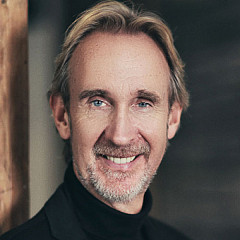
Mike Rutherford talks about the "Silent Running" storyline and "Land Of Confusion" in the age of Trump.

Wolfgang Van Halen breaks down the songs on his debut album, Mammoth WVH, and names the definitive Van Halen songs from the Sammy and Dave eras.

Do their first three albums have French titles? Is "De Do Do Do, De Da Da Da" really meaningless? See if you can tell in this Fact or Fiction.
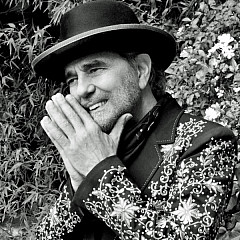
Daniel Lanois on his album Heavy Sun, and the inside stories of songs he produced for U2, Peter Gabriel, and Bob Dylan.

In the summer of 1990, you could get arrested for selling a 2 Live Crew album or performing their songs in Southern Florida. And that's exactly what happened.

The drummer for Anthrax is also a key songwriter. He explains how the group puts their songs together and tells the stories behind some of their classics.