

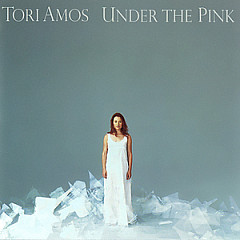
In the song "God," Tori Amos makes the point that if there's God, there must also be a Goddess because there are no male-only species.

It was never a big hit, but the uplifting "Mr. Blue Sky" has endured as Electric Light Orchestra's most popular song. Group leader Jeff Lynne wrote it when after two weeks of gloomy weather, the clouds parted to reveal a beautiful day.
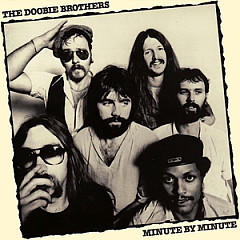
Kenny Loggins co-wrote the Doobie Brothers hit "What a Fool Believes," which is about a guy who just can't accept that an affair from long ago was meaningless to her.
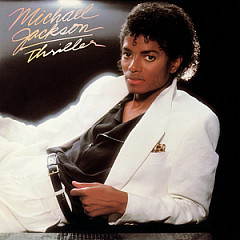
"Wanna Be Startin' Somethin'" was Michael Jaskson's attack on the tabloid press: "They eat off of you, you're a vegetable."
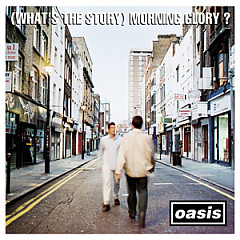
Oasis didn't coin the term "Wonderwall." It's the title of a 1968 movie with a soundtrack by George Harrison. It was Harrison's soundtrack that got the band's attention.
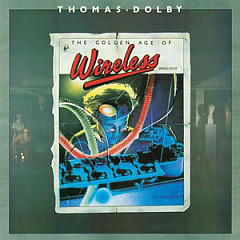
Thomas Dolby wrote "She Blinded Me With Science" so he could direct the video, which was inspired by silent films and set in a "home for deranged scientists."
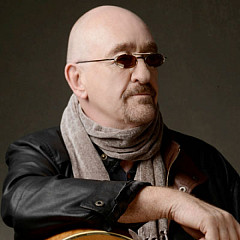
Dave reveals the inspiration for "Feelin' Alright" and explains how the first song he ever wrote became the biggest hit for his band Traffic.
Not everyone can be a superhero, but that hasn't stopped generations of musicians from trying to be Superman.
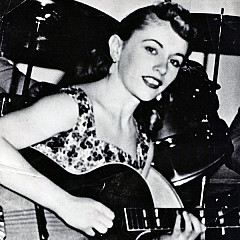
A top session musician, Carol played on hundreds of hits by The Beach Boys, The Monkees, Frank Sinatra and many others.

Wolfgang Van Halen breaks down the songs on his debut album, Mammoth WVH, and names the definitive Van Halen songs from the Sammy and Dave eras.
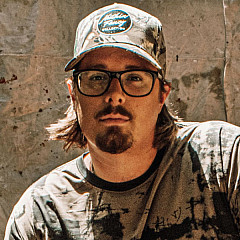
The country hitmaker talks about his debut album, A Rock, and how a nursery rhyme inspired his hit single "One Beer."
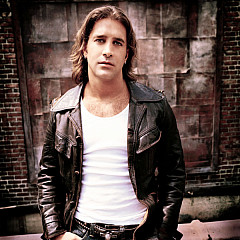
The Creed lead singer reveals the "ego and self-fulfillment" he now sees in one of the band's biggest hits.