
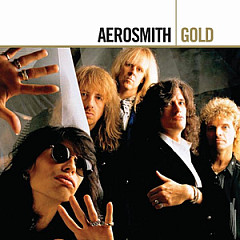
Geffen Records made history on June 27, 1994 when Aerosmith's "Head First" became the first major label song made available for exclusive digital download. Download speeds at the time were so slow it took around 75 minutes to download the track.

Post Malone came up with "White Iverson" after getting braids in his hair and thinking they looked like basketball legend Allen Iverson's signature cornrows.
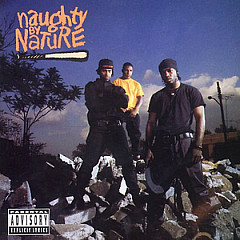
The Naughty by Nature hit "O.P.P." doesn't have any curse words, but many oversensitive radio stations played a "clean" version with the word "kitten" edited out, surely the first time that word was censured.
Radiohead's "Harry Patch (In Memory Of)" is about the last surviving World War I veteran to fight in the trenches.
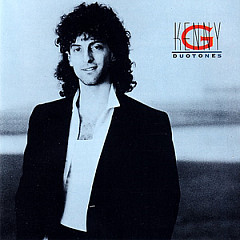
The Kenny G instrumental "Songbird" owes much of its success to VH1, which launched a year earlier and played the video to death.
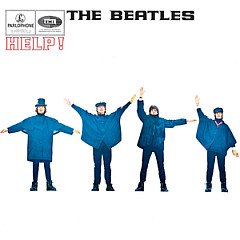
The melody to "Yesterday" came to Paul McCartney in a dream, but the lyrics he had to write consciously. His first attempt at the title was "Scrabble Eggs."
Songs about drugs, revolution and greed that have been used in commercials for sneakers, jeans, fast food, cruises and cars.
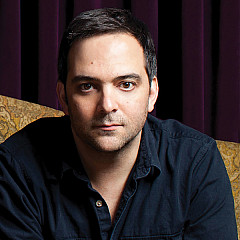
The guy who brought us "Stacy's Mom" also wrote the Jane Lynch Emmy song and Stephen Colbert's Christmas songs.

When a song describes a wedding, it's rarely something to celebrate - with one big exception.
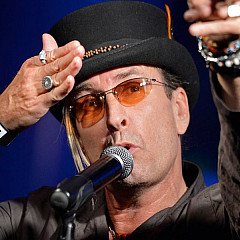
The man who brought us "Red Skies" and "Saved By Zero" is now an organic farmer in France.
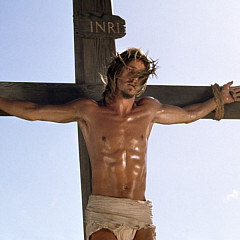
The in-depth discussion about the making of Jesus Christ Superstar with Ted Neeley, who played Jesus in the 1973 film.
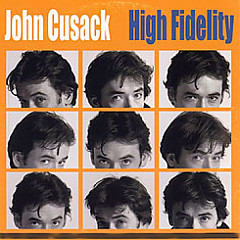
Bridesmaids, Reservoir Dogs, Willy Wonka - just a few of the flicks where characters discuss specific songs, sometimes as a prelude to murder.