



"Amarillo By Morning" got its title from a Fed Ex commercial that promised to deliver packages the next day to places like Amarillo. It's George Strait's most famous song, but was written and originally released by Terry Stafford nine years earlier.
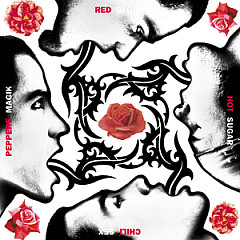
The Red Hot Chili Peppers' biggest hit is "Under The Bridge," a ballad not typical of their sound. Frontman Anthony Kiedis wrote the lyric after an acute bout of loneliness.
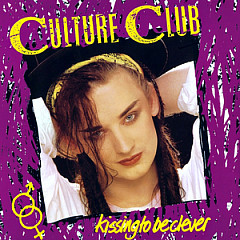
"Do You Really Want To Hurt Me?" was written by Boy George about his relationship with Culture Club's drummer Jon Moss.
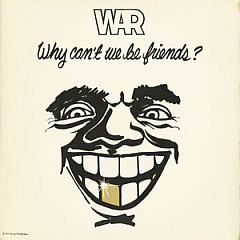
War got the idea for "Why Can't We Be Friends?" when they were traveling in Japan and found they had a kinship with the citizens even though they didn't speak the same language.
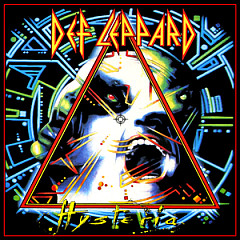
At the end of "Love Bites" by Def Leppard, there are some vocals that are hard to understand. It was rumored that they were: "Jesus of Nazareth, Go to Hell." It is actually producer Mutt Lange saying "Yes it does, Bloody Hell," with a thick British accent.
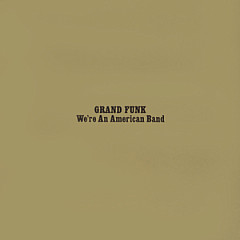
"We're An American Band" by Grand Funk describes real events on their 1972 tour, including an encounter with a legendary groupie called "Sweet Connie."
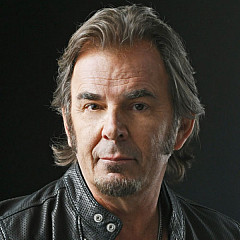
Cain talks about the divine inspirations for "Don't Stop Believin'" and "Faithfully."
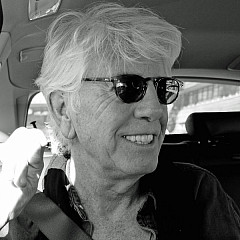
Graham Nash tells the stories behind some of his famous songs and photos, and is asked about "yacht rock" for the first time.
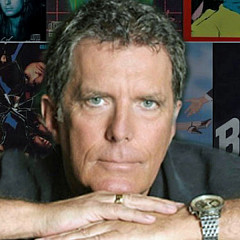
Ron Nevison explains in very clear terms the Quadrophenia concept and how Heart staged their resurgence after being dropped by their record company.
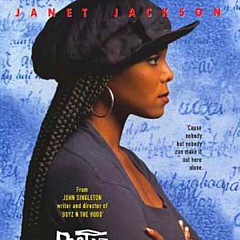
A look at the good (Diana Ross, Eminem), the bad (Madonna, Bob Dylan) and the peculiar (David Bowie, Michael Jackson) film debuts of superstar singers.
MTV, a popular TV theme song and Madonna all show up in this '80s music quiz.
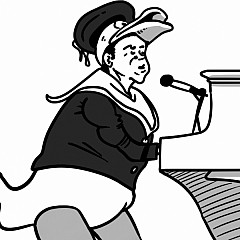
Does he have beef with Gaga? Is he Sean Lennon's godfather? See if you can tell fact from fiction in the Elton John edition.