
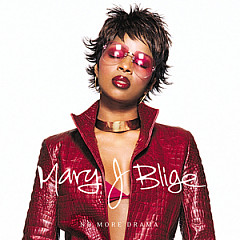
Mariah Carey and P. Diddy show up in the Mary J. Blige "No More Drama" video, since they were going through Shakespeare-level drama.
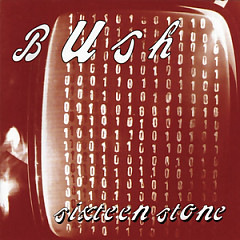
After Gwen Stefani and Gavin Rossdale coupled up in 1996, Rossdale's Bush bandmates referred to their hit song "Everything Zen" as "Everything Gwen."
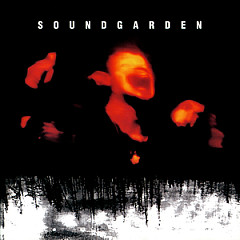
It has long been speculated that the Soundgarden song "Black Hole Sun" came from the name of a sculpture in Seattle, but according to their frontman Chris Cornell the title came from a phrase he misheard on the news. The band's name did come from a sculpture.
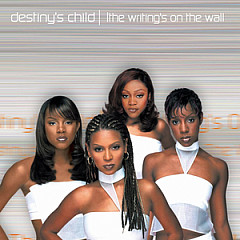
There's some dated tech in the 1999 Destiny's Child song "Bug A Boo," where they complain about a guy who bugs them on MCI, AOL, and their pagers.
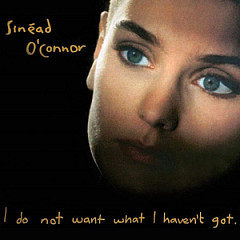
Two tears roll down Sinead O'Connor's face toward the end of the video for "Nothing Compares 2 U." They were shed because she associated the song's lyrics of love and loss with her mother, who was killed in a car accident in 1985.
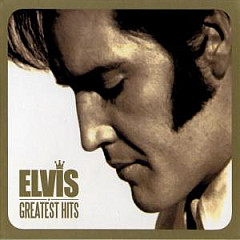
"Can't Help Falling In Love" wasn't a #1 hit for Elvis in America, but it's his most popular song in the streaming era, thanks to use in short-form videos and placements in movies and TV shows. One famous use is in the movie Crazy Rich Asians, where it plays in a wedding scene.
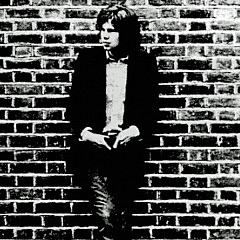
The head of Drake's estate shares his insights on the late folk singer's life and music.
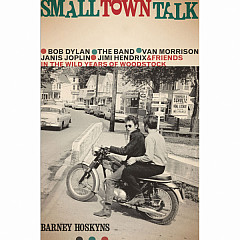
Our chat with Barney Hoskyns, who covers the wild years of Woodstock - the town, not the festival - in his book Small Town Talk.

Elvis, Little Richard and Cheryl Cole have all sung about Teddy Bears, but there is also a terrifying Teddy song from 1932 and a touching trucker Teddy tune from 1976.
How the American gangsta rappers made history by getting banned in the UK.

The "Midnight At The Oasis" singer is an Old Time gal. She talks about her jug band beginnings and shares a Dylan story.
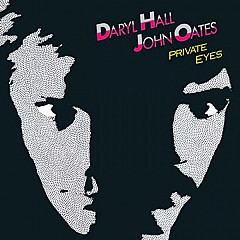
How a goofy detective movie, a disenchanted director and an unlikely songwriter led to one of the biggest hits in pop history.