


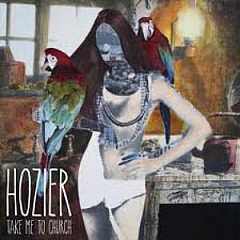
Hozier's "Take Me to Church" drew inspiration from the atheist writer Christopher Hitchens. He called it "a bit of a losing your religion song."
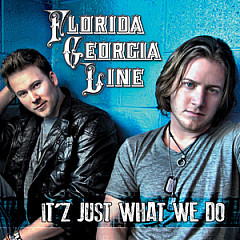
Florida Georgia Line's "Cruise" spent 24 weeks on top of the Country chart - the most ever until Sam Hunt's "Body Like a Back Road" was #1 for 34 weeks. The record was previously held by Eddy Arnold's "I'll Hold You in My Heart (1947-48), Hank Snow's "I'm Moving On" (1950-51) and Webb Pierce's "In the Jailhouse Now" (1955), which each led for 21 weeks.

"Criminal" is Fiona Apple's only chart hit. Royalties from it allow her to make music on her terms, releasing albums several years apart.
The song "Grease," sung by Frankie Valli in the 1978 movie, was written by Barry Gibb of The Bee Gees.

"Renegade" by Styx wasn't a big hit when it was released in 1978, but it became one of their most popular songs thanks in part to the Pittsburgh Steelers, who started playing it at home games in 2001 to fire up the team and fans.
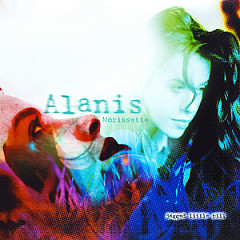
The events described in Alanis Morissette's song "Ironic," like rain on your wedding day, are not examples of irony. Irony is the use of words to convey the opposite of their literal meaning.

Who writes a song about a name they found in a phone book? That's just one of the everyday things these guys find to sing about. Anything in their field of vision or general scope of knowledge is fair game. If you cross paths with them, so are you.

Many actors have attempted music, but only a few have managed a hit. Do you know which of these thespians charted?

Starting in Virginia City, Nevada and rippling out to the Haight-Ashbury, LSD reshaped popular music.
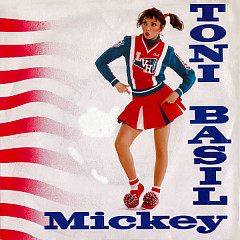
It started with a bouncy MTV classic. Nirvana and MCR made them scary, then Gwen, Avril and Madonna put on the pom poms.

Andrew Farriss on writing with Michael Hutchence, the stories behind "Mystify" and other INXS hits, and his country-flavored debut solo album.
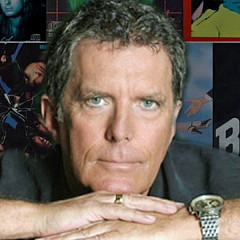
Ron Nevison explains in very clear terms the Quadrophenia concept and how Heart staged their resurgence after being dropped by their record company.