
Brian May wrote Queen's "We Will Rock You" so the crowds could participate in the song. They didn't have instruments, but they could clap their hands and stomp their feet.
"MMMbop" by Hanson was so ubiquitous in 1997 that when the band appeared on SNL, they took part in a skit where Helen Hunt and Will Ferrell seek retribution by trapping them in an elevator and playing the song until they crack. "Now, you will suffer like we did," Hunt tells them.
Puff Daddy didn't get permission to sample the Police song "Every Breath You Take" on his Notorious B.I.G. tribute "I'll Be Missing You," but he later reached an agreement and even performed the song with Sting.
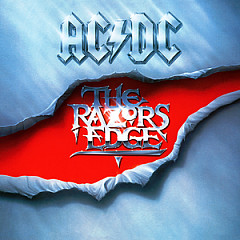
Angus Young created the distinctive opening guitar part for AC/DC's "Thuderstruck" by playing with all the strings taped up except the B. He learned the studio trick from his older brother George Young, who was the rhythm guitarist for The Easybeats.
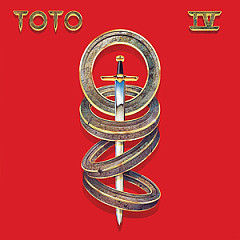
A key line in "Africa" is "I seek to cure what's deep inside, frightened of this thing that I've become," which is about drifting away from what you really want in life. Toto keyboard player David Paich, who wrote the song, felt his work was consuming him.
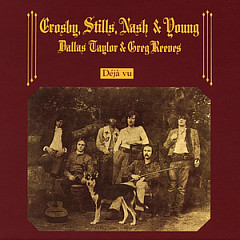
Joni Mitchell wrote "Woodstock" - the most popular song about the festival - but didn't attend the event because she was booked on The Dick Cavett Show.
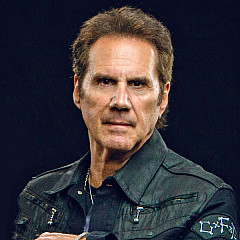
Kelly Keagy of Night Ranger tells the "Sister Christian" story and explains why he started sweating when he saw it in Boogie Nights.
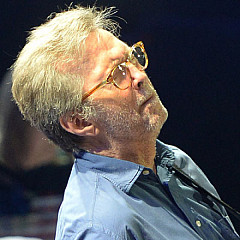
Did Eric Clapton really write "Cocaine" while on cocaine? This question and more in the Clapton edition of Fact or Fiction.
Was Justin the first to be Punk'd by Ashton Kutcher? Did Britney really blame him for her meltdown? Did his bandmates think he was gay?
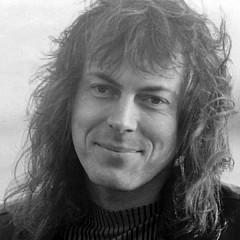
Dokken frontman Don Dokken explains what broke up the band at the height of their success in the late '80s, and talks about the botched surgery that paralyzed his right arm.

Brian has unearthed outtakes by Fleetwood Mac, Aretha Franklin, Elvis Costello and hundreds of other artists for reissues. Here's how he does it.
Starting in Virginia City, Nevada and rippling out to the Haight-Ashbury, LSD reshaped popular music.