
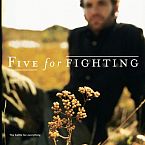
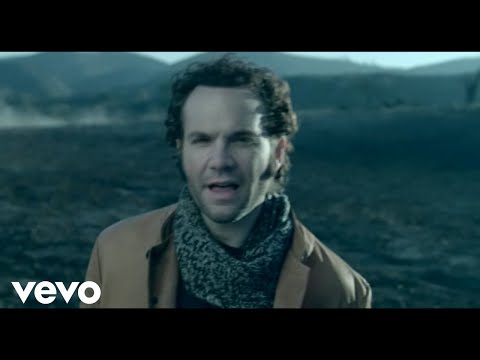

"Cult of Personality" by Living Colour incorporates speeches by John F. Kennedy, Malcolm X and Franklin D. Roosevelt.
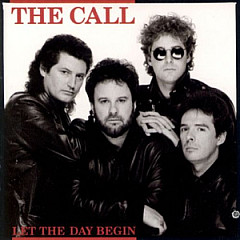
Al Gore chose an inspiring but obscure campaign song when he ran for president in 2000: "Let The Day Begin" by The Call.
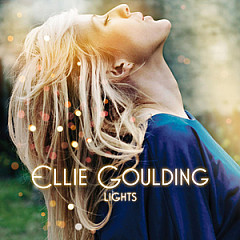
Ellie Goulding's hit song "Lights" is about her fear of the dark, which forces the singer to sleep with the lights on.
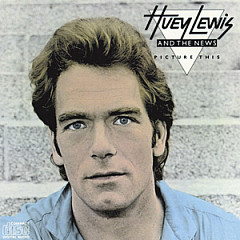
The first Huey Lewis & the News hit, "Do You Believe In Love?," is a cover of a song Mutt Lange wrote three years earlier called "We Both Believe In Love."
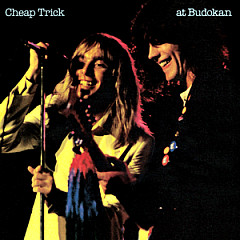
Cheap Trick's original version of "I Want You To Want Me" was countrified and kind of hokey. When they sped it up for their Live At Budokan album, it became a huge hit.
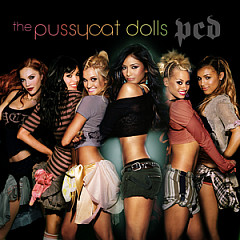
Sir Mix-A-Lot is credited as a writer on The Pussycat Dolls' biggest hit, "Don't Cha," because it interpolates his 1988 song "Swass," where he goes, "Don't you wish your boyfriend was swass like me?"
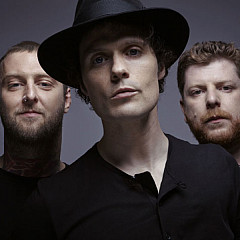
Jon Fratelli talks about the band's third album, and the five-year break leading up to it.
How a country weeper and a blues number made "rolling stone" the most popular phrase in rock.
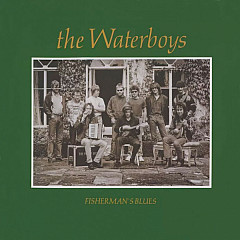
Armed with a childhood spent devouring books, Mike Scott's heart was stolen by the punk rock scene of 1977. Not surprisingly, he would go on to become the most literate of rockers.
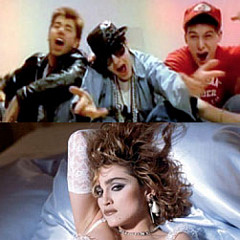
Here's what happens when an opening act is really out of place with the headliner, like when Beastie Boys opened for Madonna.
Country songs with titles so bizarre they can't possibly be real... or can they?
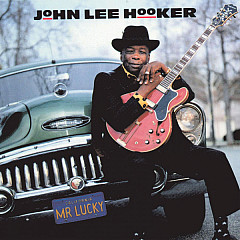
Into the vaults for Bruce Pollock's 1984 conversation with the esteemed bluesman. Hooker talks about transforming a Tony Bennett classic and why you don't have to be sad and lonely to write the blues.