
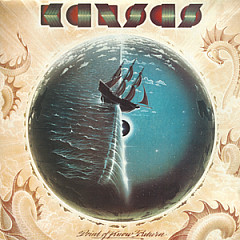
The philosophical Kansas song "Dust In The Wind" is inspired by a line of Native American poetry: "For all we are is dust in the wind."
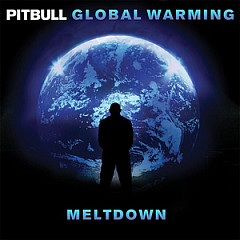
Rihanna was Pitbull's first choice to sing on "Timber," but she wasn't available at the time so he enlisted his RCA labelmate Kesha instead.
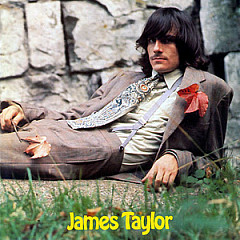
Before it was part of a Pink Floyd album title, James Taylor put the line "still I'm on the dark side of the moon" in his 1968 song "Carolina In My Mind." He was living in London and missing his home in North Carolina.

Creedence Clearwater Revival's first single was a cover of a rockabilly song called "Susie Q." When it became a hit, group leader John Fogerty went into a songwriting frenzy so they wouldn't be one-hit wonders, resulting in hits like "Proud Mary" and "Lodi."
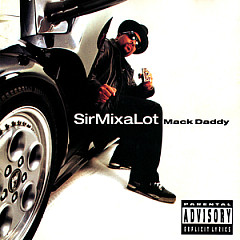
"Baby Got Back" isn't just a booty song. According to Sir Mix-A-Lot, it's about "Lack of acceptance by Hollywood of the African-American body."
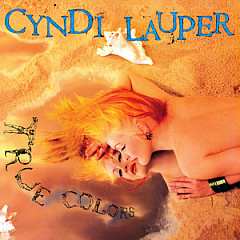
With a message of acceptance and inclusivity, "True Colors" became a gay rights anthem. Cyndi Lauper help form an organization called True Colors United to help support LGBTQ youth.
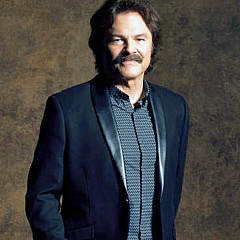
The Doobies guitarist and lead singer, Tom wrote the classics "Listen To The Music," "Long Train Runnin'" and "China Grove."
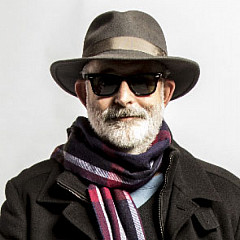
When a waitress wouldn't take him home, Jack wrote what would become one of the Eagles most enduring hits.
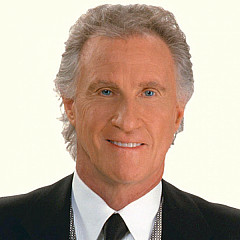
Medley looks back on "Unchained Melody" and "You've Lost That Lovin' Feelin'" - his huge hits from the '60s that were later revived in movies.
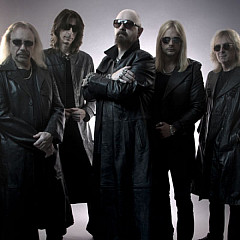
Rob Halford, Richie Faulkner and Glenn Tipton talk twin guitar harmonies and explain how they create songs in Judas Priest.
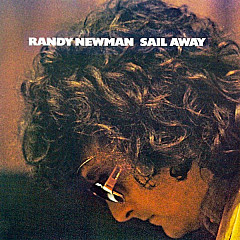
Newman makes it look easy these days, but in this 1974 interview, he reveals the paranoia and pressures that made him yearn for his old 9-5 job.
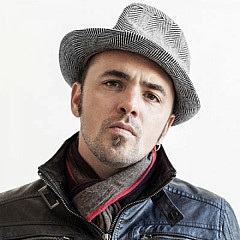
One of Canada's most popular and eclectic performers, Hawksley tells stories about his oldest songs, his plentiful side projects, and the ways that he keeps his songwriting fresh.