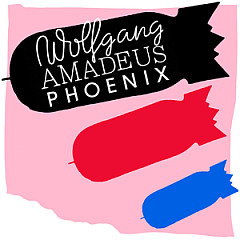
The Phoenix song "1901" is about Paris. Their lead singer Thomas Mars said: "Paris in 1901 was better than it is now. So the song is a fantasy about Paris."
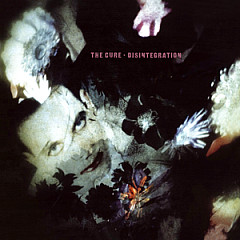
Robert Smith doesn't license Cure songs for commercials, but he made an exception in 2004 when he let Hewlett-Packard use "Pictures Of You." He needed the money to buy the group's back catalogue.
The seemingly inoffensive song "Deep In The Heart Of Texas" was banned by the BBC when it was released in 1942. They deemed the song too catchy, with authorities in wartime Britain concerned that factory workers would be distracted if they heard it during a shift.
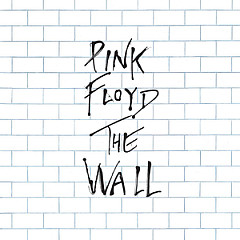
Producer Bob Ezrin convinced Pink Floyd to put a disco beat and children's chorus on "Another Brick In The Wall (Part 2)," which started out as a short interstitial for their album The Wall.
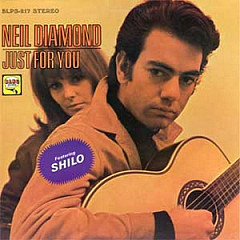
Neil Diamond got a big boost in 1994 when Urge Overkill's cover of his song 'Girl, You'll Be A Woman Soon" was used in the movie Pulp Fiction. His catalog sales ramped up, and suddenly he was cool.

The first big hit by an X Factor winner was "Bleeding Love" by Leona Lewis, who won the British version of the show in 2008. The song was intended for Jesse McCartney, who wrote it with Ryan Tedder.
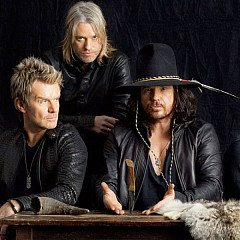
The Cult frontman tells who the "Fire Woman" is, and talks about performing with the new version of The Doors.
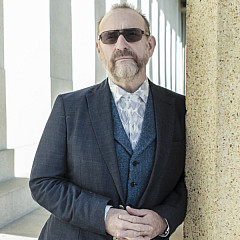
Established as a redoubtable singer-songwriter, the Men At Work frontman explains how religion, sobriety and Jack Nicholson play into his songwriting.

Are classic songs like "Over The Rainbow" and "Take Me Out to the Ballgame" in the public domain?
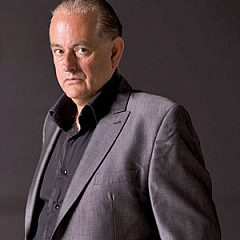
Martyn talks about producing Tina Turner, some Heaven 17 hits, and his work with the British Electric Foundation.
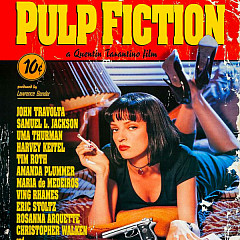
Whether he's splitting ears or burning Nazis, Quentin Tarantino uses memorable music in his films. See if you can match the song to the scene.