
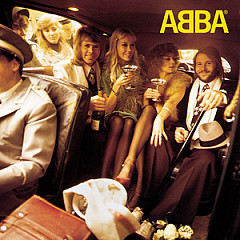
The phrase "Mamma Mia" was big in 1976. It was the name of a popular Abba song, and also showed up in the lyrics to "Bohemian Rhapsody" by Queen.
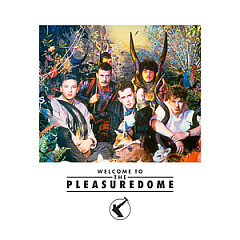
Frankie Goes to Hollywood's "Two Tribes" features British actor Patrick Allen reading extracts from a government civil defense leaflet.
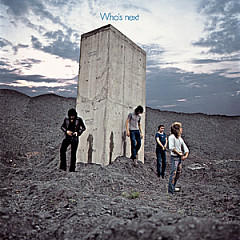
"Won't Get Fooled Again" by The Who is about a revolution, but it doesn't have a happy ending, since in the end the new regime becomes just like the old one. Pete Townshend thought that whoever was in power was destined to become corrupt.
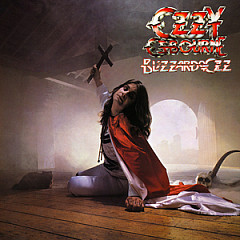
"Crazy Train" by Ozzy Osbourne is about the Cold War concept of Mutually Assured Destruction (M.A.D.) should any nuclear missile be fired.
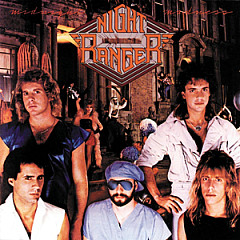
"Sister Christian" was written by Night Ranger drummer Kelly Keagy, who was imploring his younger sister to be careful in her reckless youth, especially when "motoring" (driving around) with friends.
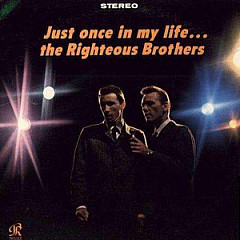
"Unchained Melody" first appeared in a 1955 movie called Unchained. The Righteous Brothers recorded it in 1965, and their version was resurrected in the 1990 movie Ghost.
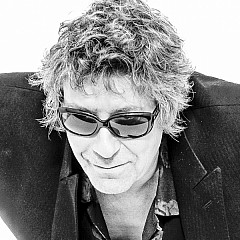
Psychedelic Furs lead singer Richard Butler talks about their first album since 1991 and explains what's really going on in "Pretty In Pink."

The renown rock singer talks about "The House of the Rising Sun" and "Don't Let Me Be Misunderstood."

What are the biggest US hits with French, Spanish (not "Rico Suave"), Italian, Scottish, Greek, and Japanese titles?
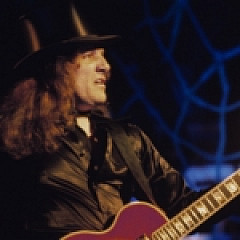
The co-writer/guitarist on many Alice Cooper hits, Dick was also Lou Reed's axeman on the Rock n' Roll Animal album.
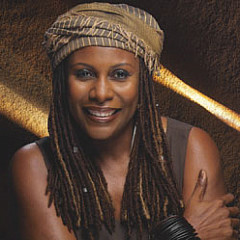
Brenda talks about the inspiration that drove her to write hit songs like "Get Here" and "Piano in the Dark," and why a lack of formal music training can be a songwriter's best asset.
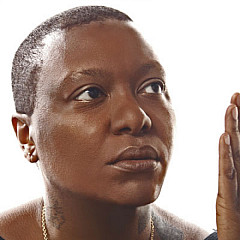
Meshell Ndegeocello talks about recording "Wild Night" with John Mellencamp, and explains why she shied away from the spotlight.