


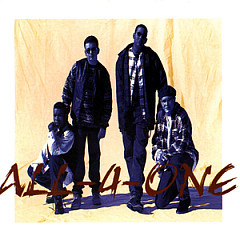
"I Swear" was a #1 country hit for John Michael Montgomery before All-4-One made it a #1 pop hit.

At the end of "Radar Love," the driver dies in a crash but maintains a psychic bond with the woman he was racing to see. The song's lyricist was inspired by stories of extrasensory perception (ESP).

Richard Marx' debut single, "Don't Mean Nothing," features Joe Walsh on guitar. They didn't know each other beforehand; Walsh heard a demo of the song and asked to play on it.
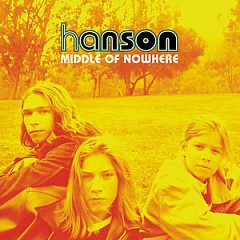
"MMMbop" by Hanson was so ubiquitous in 1997 that when the band appeared on SNL, they took part in a skit where Helen Hunt and Will Ferrell seek retribution by trapping them in an elevator and playing the song until they crack. "Now, you will suffer like we did," Hunt tells them.

"1979" by Smashing Pumpkins is about Billy Corgan entering adulthood. A more accurate year would be 1983, but 1979 was easier to rhyme.
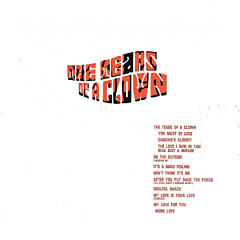
The most famous pop song featuring a bassoon: "The Tears of a Clown" by Smokey Robinson & the Miracles.
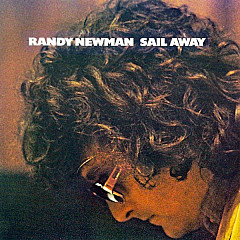
Newman makes it look easy these days, but in this 1974 interview, he reveals the paranoia and pressures that made him yearn for his old 9-5 job.
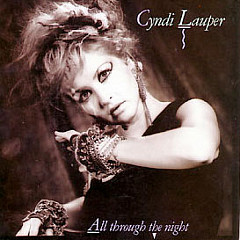
Shears does very little promotion, which has kept him secluded from the spotlight. What changed when Cyndi Lauper had a hit with his song? Not much, really.
How a country weeper and a blues number made "rolling stone" the most popular phrase in rock.
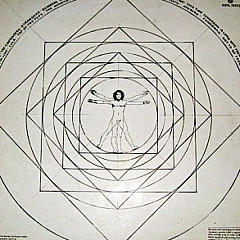
A history of songs dealing with transgender issues, featuring Pink Floyd, David Bowie, Morrissey and Green Day.
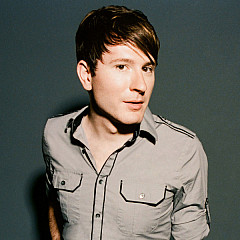
Is Owl City on a quest for another hit like "Fireflies?" Adam answers that question and explains the influences behind many others.
The author of Help! 100 Songwriting, Recording And Career Tips Used By The Beatles, explains how the group crafted their choruses so effectively.