


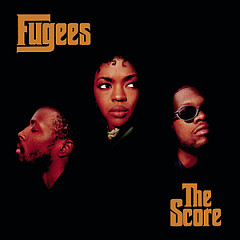
One of the most successful cover songs is Fugees' "Killing Me Softly," a 1996 reworking of Roberta Flack's 1973 hit. Originally, Fugees wanted to change the title to "Killing Him Softly" and make it about the dangers of drug abuse.
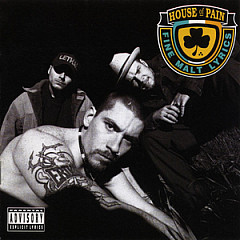
The horn flourish at the beginning of House Of Pain's "Jump Around" comes from Bob and Earl's "Harlem Shuffle"; the squeal throughout the song might be a Prince sample.
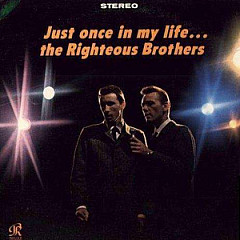
"Unchained Melody" first appeared in a 1955 movie called Unchained. The Righteous Brothers recorded it in 1965, and their version was resurrected in the 1990 movie Ghost.

Ella Langley's country crossover hit "Choosin' Texas" was co-written by Texas native Miranda Lambert, who told Ella a story about getting pulled over with a kangaroo in her car (yes, a real kangaroo - a baby). "She's from Texas, I can tell," Langley said, which sparked the song.
"At This Moment" was first released by Billy Vera & the Beaters in 1981, and hit #79. After it was used in two episodes of Family Ties in 1985-1986, it went to #1.
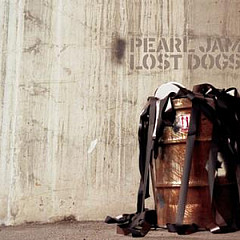
Eddie Vedder often changes the words when he sings "Yellow Ledbetter." The basic story is about a guy whose brother dies in the first Gulf War. Apparently, bad news in the army is delivered in yellow envelopes.
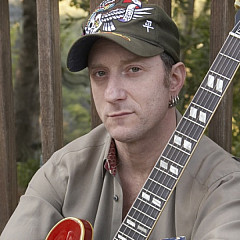
Oliver Leiber talks about writing and producing hits for Paula Abdul, and explains his complicated relationship with his father, the songwriter Jerry Leiber.

The story of the legendary lupine DJ through the songs he inspired.

Holly Knight talks about some of the hit songs she wrote, including "The Warrior," "Never" and "The Best," and explains some songwriting philosophy, including how to think of a bridge.

Chris and his wife Tina were the rhythm section for Talking Heads when they formed The Tom Tom Club. "Genius of Love" was their blockbuster, but David Byrne only mentioned it once.
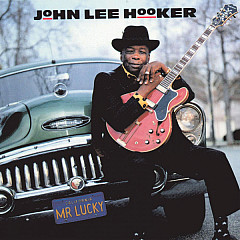
Into the vaults for Bruce Pollock's 1984 conversation with the esteemed bluesman. Hooker talks about transforming a Tony Bennett classic and why you don't have to be sad and lonely to write the blues.
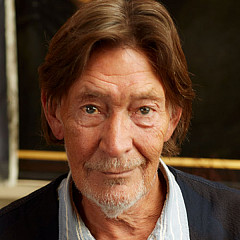
It took him seven years to recover from his American hit "Fool (If You Think It's Over)," but Chris Rea became one of the top singer-songwriters in his native UK.