


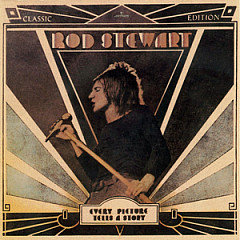
Rod Stewart wrote "Maggie May" about the woman who deflowered him when he was 16.
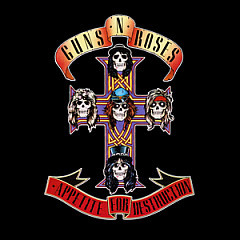
"Sweet Child O' Mine" by Guns N' Roses is about Erin Everly, who was Axl Rose's girlfriend at the time. She is the daughter of Don Everly of the Everly Brothers.
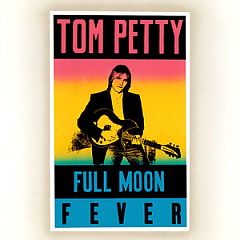
"Free Fallin'" by Tom Petty is set in Los Angeles, as he mentions Reseda, Mulholland and Ventura Boulevard.

One of the most enduring songs from the '90s is "Iris" by The Goo Goo Dolls, which got huge on social media and streaming in the 2020s. The song was written for a movie called City Of Angels, about an angel (Nicolas Cage) who falls in love with a human (Meg Ryan).
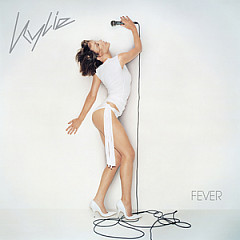
Kylie Minogue's "Can't Get You Out Of My Head" received more airplay during the 2000s than any other song in the UK.

The '60s hit "Then He Kissed Me" was covered by The Beach Boys as "Then I Kissed Her."

Is Owl City on a quest for another hit like "Fireflies?" Adam answers that question and explains the influences behind many others.
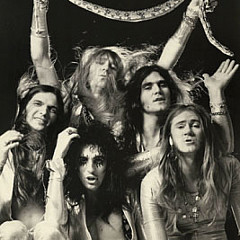
With the band in danger of being dropped from their label, Alice Cooper drummer Neal Smith co-wrote the song that started their trek from horror show curiosity to the Rock and Roll Hall of Fame.
Doors expert Jim Cherry, author of The Doors Examined, talks about some of their defining songs and exposes some Jim Morrison myths.

The stories behind "Shine," "December," "The World I Know" and other Collective Soul hits.

Have you got the smarts to know which of these graduation song stories are real?

10 Questions for the author of Precious Metal: Decibel Presents the Stories Behind 25 Extreme Metal Masterpieces