
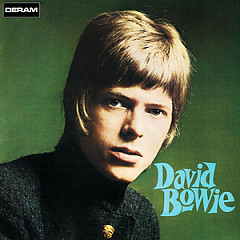
David Bowie's "Space Oddity" tells the story of an astronaut who cuts off communication and floats into space. The BBC used it extensively in their coverage of the 1969 moon landing - an odd choice considering the lyrics.
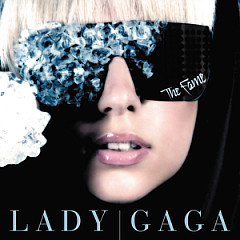
"Just Dance" was Lady Gaga's first hit, and it also brought the techno-synth sound that had been popular in Europe for the previous decade to the United States.
Paul McCartney wrote "Hey Jude" to comfort John Lennon's 5-year-old son Julian, whose parents were getting a divorce.
The line, "I feel the snakebite enter my veins," led many to believe the Godsmack song "Voodoo" is about drugs, but it's really about Wiccan ritual, inspired in part by the Wes Craven movie The Serpent and the Rainbow.
"You Get What You Give" by The New Radicals was the first hit song to use the word "frenemies" in the lyric.
Bernie Taupin was 17 when he wrote the lyrics to Elton John's "Your Song." Looking back, he says it's "one of the most naïve and childish lyrics in the entire repertoire of music."
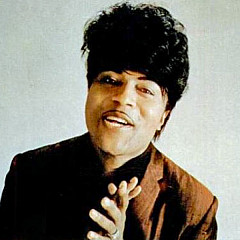
Was Long Tall Sally a cross-dresser? Did he really set his piano on fire? See if you know the real stories about one of rock's greatest innovators.
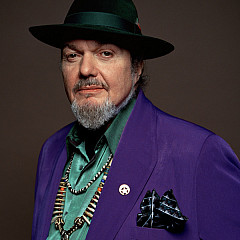
The good doctor shares some candid insights on recording with Phil Spector and The Black Keys.
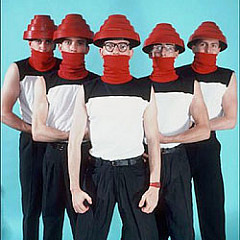
Devo founders Mark Mothersbaugh and Jerry Casale take us into their world of subversive performance art. They may be right about the De-Evoloution thing.

The Stax legend on how he cooked up "Green Onions," the first time he and Otis Redding saw hippies, and if he'll ever play a digital organ.

He's a singer and an actor, but as a songwriter Paul helped make Kermit a cultured frog, turned a bank commercial into a huge hit and made love both "exciting and new" and "soft as an easy chair."
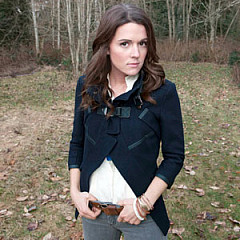
As a 5-year-old, Brandi was writing lyrics to instrumental versions lullabies. She still puts her heart into her songs, including the one Elton John sings on.