
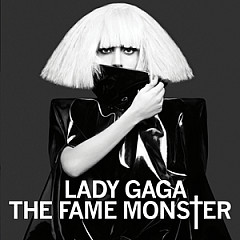
The Lady Gaga/Beyoncé collaboration "Telephone" isn't just about turning down an unwanted caller, it's an analog for how Gaga was feeling overwhelmed, like a phone was always ringing in her head.

"Mother" by Danzig is about censorship, specifically the Parents Music Resource Center, which pushed record labels to put warning stickers on albums with explicit lyrics.
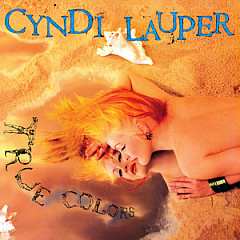
With a message of acceptance and inclusivity, "True Colors" became a gay rights anthem. Cyndi Lauper help form an organization called True Colors United to help support LGBTQ youth.
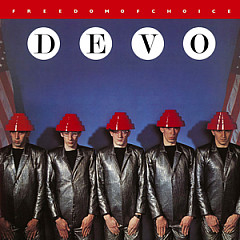
Devo got the idea for their "Whip It" video from an article about a guy who owned a dude ranch and charged people to watch him remove his wife's clothes with a bullwhip.
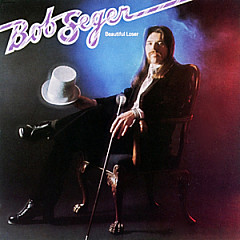
Katmandu, the capital of Nepal, was the archetype for faraway mysticism when Bob Seger wrote a song about it in 1975.
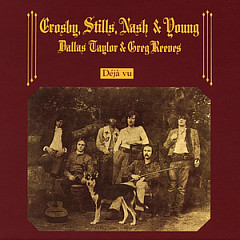
Joni Mitchell wrote "Woodstock" - the most popular song about the festival - but didn't attend the event because she was booked on The Dick Cavett Show.
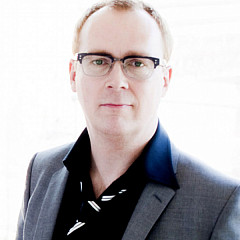
The leader of the Modern A Cappella movement talks about the genre.
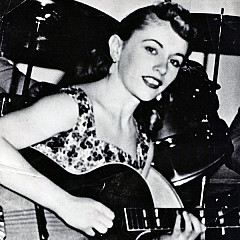
A top session musician, Carol played on hundreds of hits by The Beach Boys, The Monkees, Frank Sinatra and many others.
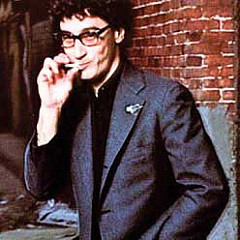
Before "Rap" was a form of music, it was something guys did to pick up girls in nightclubs. Donnie talks about "The Rapper" and reveals the identity of Leah.
John Lennon, Paul Simon and Lynyrd Skynyrd are some of the artists who have written revenge songs. Do you know who they wrote them about?
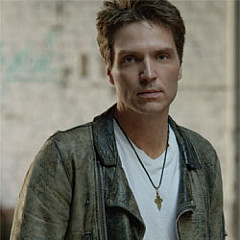
Richard explains how Joe Walsh kickstarted his career, and why he chose Hazard, Nebraska for a hit.
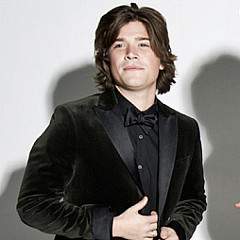
Zac tells the story of Hanson's massive hit "MMMbop," and talks about how brotherly bonds effect their music.