


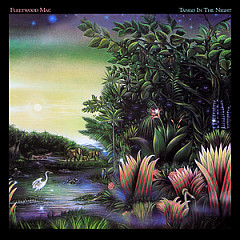
"Everywhere" wasn't a huge hit for Fleetwood Mac, but it's one of their most popular songs in the streaming era. It was written and sung by Christine McVie, who wrote these kind of catchy tunes in contrast to mystical Stevie Nicks songs like "Rhiannon" and "Gold Dust Woman."
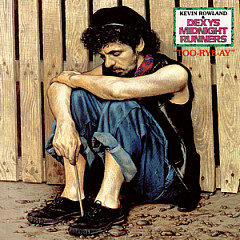
Dexys Midnight Runners' "Come on Eileen" is based on a real girl called Eileen that the band's Kevin Rowland had a relationship with in his early teenage years.
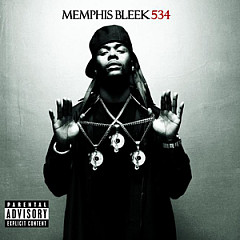
Rapper Memphis Bleek's 2005 album track "The One" is notable for featuring a then-unknown Rihanna on the hook. It was the Barbadian singer's first-ever major-label appearance.
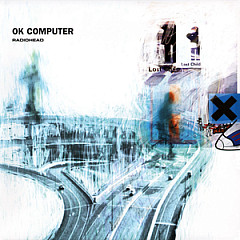
Radiohead's "Paraonid Android" was written after a confrontation in a Los Angeles bar with an irate woman.

Neil Young rarely allows his songs to be sampled, but he let the Canadian group Redlight King use "Old Man" in their 2011 song, also called "Old Man."

In the late '70s, John Lennon slowed his roll, becoming a househusband who baked bread and took care of his young son Sean. This inspired his song "Watching The Wheels," where he discovers the benefits of taking it easy.
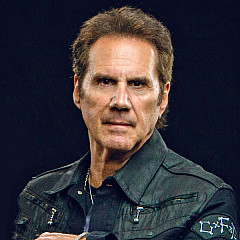
Kelly Keagy of Night Ranger tells the "Sister Christian" story and explains why he started sweating when he saw it in Boogie Nights.
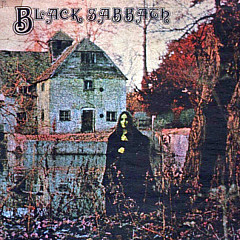
Just how much did these monsters of rock dabble in the occult?

Songs that seem to glorify violence against women are often misinterpreted - but not always.
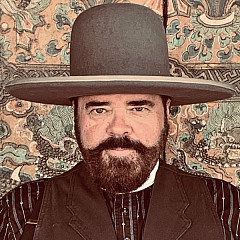
Andrew Farriss on writing with Michael Hutchence, the stories behind "Mystify" and other INXS hits, and his country-flavored debut solo album.
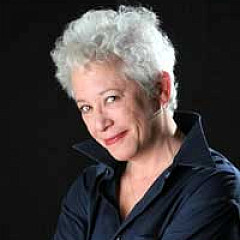
One of the first successful female singer-songwriters, Janis had her first hit in 1967 at age 15.

Do their first three albums have French titles? Is "De Do Do Do, De Da Da Da" really meaningless? See if you can tell in this Fact or Fiction.