

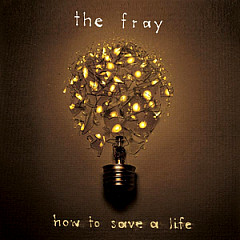
"How To Save A Life" by The Fray was inspired by a teenager lead singer Isaac Slade mentored at a camp for troubled youth in Colorado.
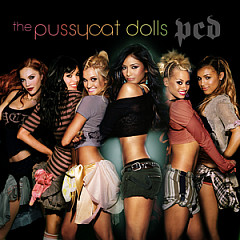
Sir Mix-A-Lot is credited as a writer on The Pussycat Dolls' biggest hit, "Don't Cha," because it interpolates his 1988 song "Swass," where he goes, "Don't you wish your boyfriend was swass like me?"
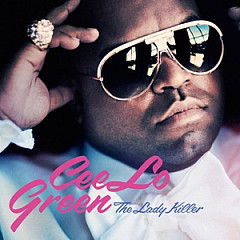
The dirty version of Cee-Lo Green's "Forget You" contains 16 F-bombs. He recorded a clean version as an afterthought, "just in case."
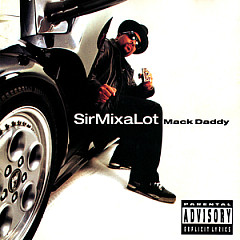
"Baby Got Back" isn't just a booty song. According to Sir Mix-A-Lot, it's about "lack of acceptance by Hollywood of the African-American body."

Gina in Bon Jovi's "Livin' On A Prayer" is based on a singer named Maria Vidal, who was working as a singing waitress using the name Gina Velvet.
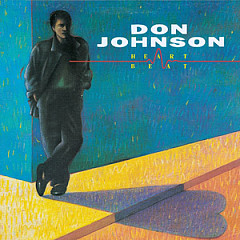
Don Johnson, who starred as Sonny Crockett in Miami Vice, was also a singer. He had a #5 hit in 1986 with "Heartbeat."
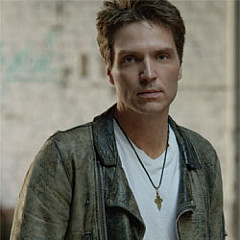
Richard explains how Joe Walsh kickstarted his career, and why he chose Hazard, Nebraska for a hit.
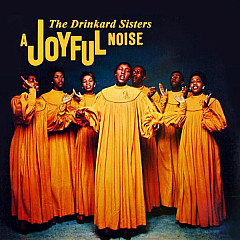
A big list of musical marriages and family relations ranging from the simple to the truly dysfunctional.
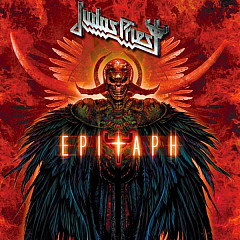
The 10 biggest "retirement tours" that didn't take.
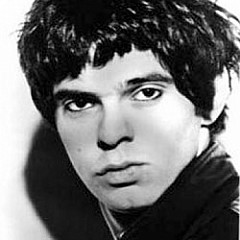
JJ talks about The Stranglers' signature sound - keyboard and bass - which isn't your typical strain of punk rock.
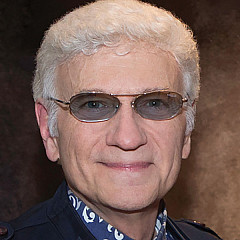
Dennis DeYoung explains why "Mr. Roboto" is the defining Styx song, and what the "gathering of angels" represents in "Come Sail Away."
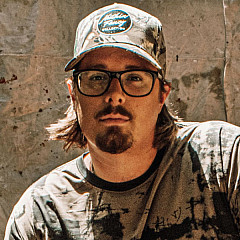
The country hitmaker talks about his debut album, A Rock, and how a nursery rhyme inspired his hit single "One Beer."