


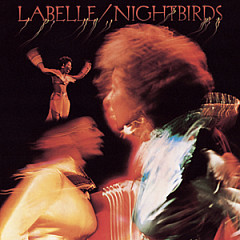
The chorus of "Voulez-vous coucher avec moi ce soir" in "Lady Marmalade" is French for "Do you want to sleep with me tonight?" When Labelle performed it on television, they had to change it to "Voulez-vous danser avec moi ce soir" (Do you want to dance with me tonight?).
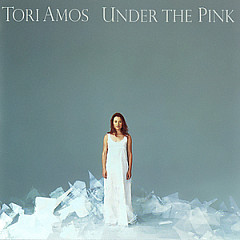
In the song "God," Tori Amos makes the point that if there's God, there must also be a Goddess because there are no male-only species.
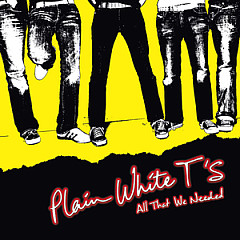
When he met Delilah DiCrescenzo, Plain White T's lead singer Tom Higgenson told her he'd write a song about her, and came up with the first verse of "Hey There Delilah" on the spot.

The Simon & Garfunkel song "Mrs. Robinson" was originally called "Mrs. Roosevelt," most likely after First Lady Eleanor Roosevelt. The title was changed when it was considered for use in the film The Graduate, where Anne Bancroft's character is Mrs. Robinson.
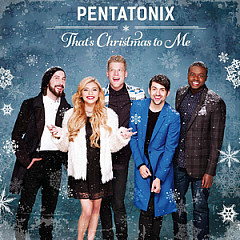
The lyrics for "Mary, Did You Know?" were written by Christian singer and comedian Mark Lowry, after his pastor asked him to write a Christmas musical for their church. Southern gospel musician Buddy Greene later added music to his words.

A pre-famous Rupaul is in the video for "Love Shack" by The B-52s. He had a solo hit with "Supermodel" a few years later.
How a goofy detective movie, a disenchanted director and an unlikely songwriter led to one of the biggest hits in pop history.
Starting in Virginia City, Nevada and rippling out to the Haight-Ashbury, LSD reshaped popular music.
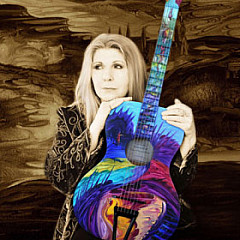
The 5-octave voice of the classical rock band Renaissance, Annie is big on creative expression. In this talk, she covers Roy Wood, the history of the band, and where all the money went in the '70s.
The 10 biggest "retirement tours" that didn't take.
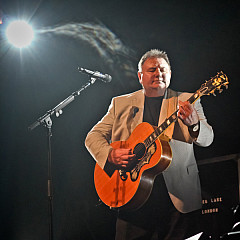
Greg talks about writing songs of "universal truth" for King Crimson and ELP, and tells us about his most memorable stage moment (it involves fireworks).
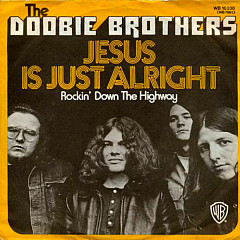
These overtly religious songs crossed over to the pop charts, despite resistance from fans, and in many cases, churches.