
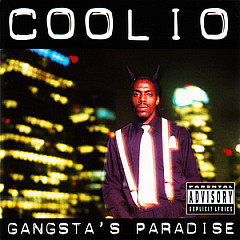
Coolio's "Gangsta's Paradise" was the #1 single in Australia for 13 weeks. It holds the record for the longest running chart topper Down Under since the first ever ARIA Chart was listed in 1983.

Katy Perry co-wrote Iggy Azalea's hit single "Black Widow." Perry was originally going to sing on the track, but she couldn't fit it into her schedule, so Rita Ora provided the sung vocals instead.
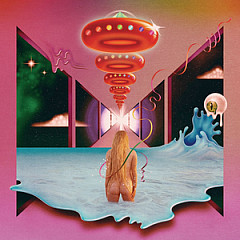
Kesha's 2017 track "Woman" was the first song titled "Woman" sung by a woman to reach the Hot 100. The prior "Woman" singles to reach the chart were all recorded by male acts.
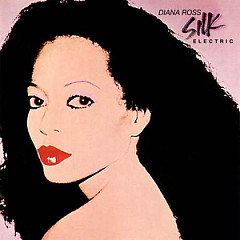
Michael Jackson wrote the Diana Ross hit "Muscles," which he named after his pet boa constrictor.
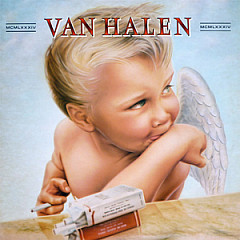
Van Halen's first #1 hit was "Jump," an unusual song for the band because the lead instrument was synthesizer, not guitar.
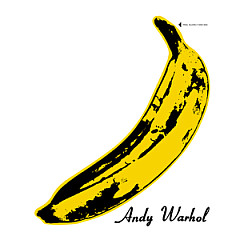
When the Velvet Underground song "Heroin" got screechy, Maureen Tucker stopped drumming, figuring it would bust the take, but her bandmates kept going. You can hear it at the 5:20 mark.
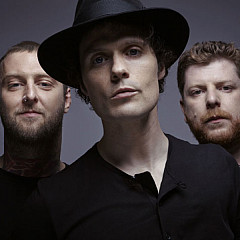
Jon Fratelli talks about the band's third album, and the five-year break leading up to it.
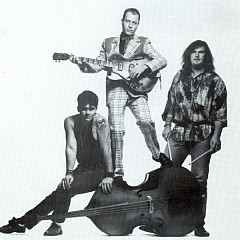
The Reverend rants on psychobilly and the egghead academics he bashes in one of his more popular songs.
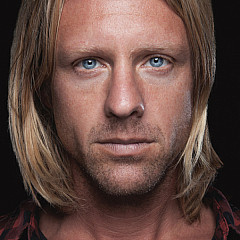
Switchfoot's frontman and main songwriter on what inspires the songs and how he got the freedom to say exactly what he means.
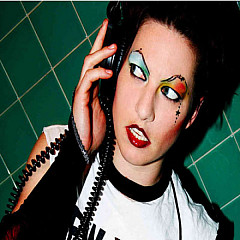
Call us crazy, but we like it when an artist comes around who doesn't mesh with the status quo.

A drummer for one of the most successful metal bands of the last decade, Chris talks about what it's like writing and performing with Slipknot. Metal-neck is a factor.
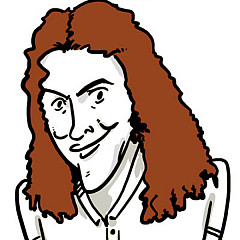
Did Al play on a Beach Boys record? Did he have beef with George Lucas and Coolio? See if you can spot weird but true stories.