
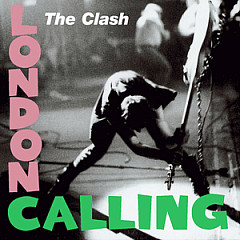
"London Calling" by The Clash was written amid widespread fears that the Thames River was going to flood the city.
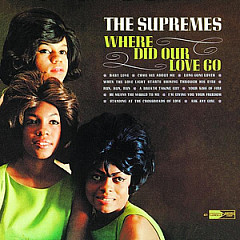
The Motown team of Holland-Dozier-Holland wrote "Where Did Our Love Go" with The Marvelettes in mind, but they turned it down. When The Supremes recorded the tune, Diana Ross was forced to sing in a lower, breathier style than she was used to because it wasn't written for her.
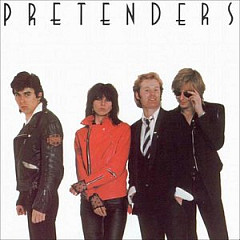
"Stop Your Sobbing" was first recorded by The Kinks in 1964. It became the Pretenders first single 15 years later, leading to a relationship between Ray Davies and Chrissie Hynde.
The motto for Boys Town, which was a Nebraska home for troubled youth, inspired the song "He Ain't Heavy, He's My Brother" by The Hollies.
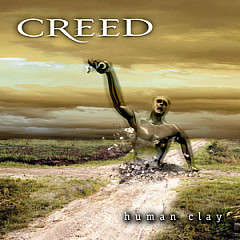
Scott Stapp of Creed wrote "With Arms Wide Open" when he found out he was going to be a dad. He named his son Jagger.
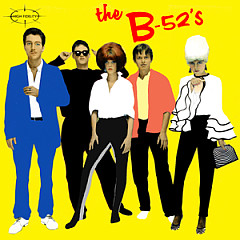
Sea creatures mentioned in "Rock Lobster" by The B-52's include a jellyfish, piranha, bikini whale and narwhal.
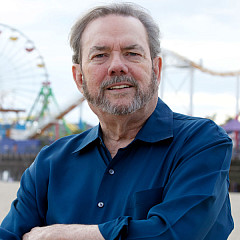
Webb talks about his classic songs "By the Time I Get to Phoenix," "Wichita Lineman" and "MacArthur Park."
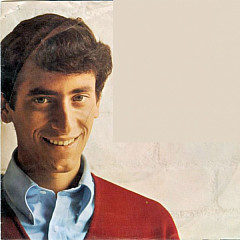
Gary Lewis and the Playboys had seven Top 10 hits despite competition from The Beatles. Gary talks about the hits, his famous father, and getting drafted.

Ian talks about his 3 or 4 blatant attempts to write a pop song, and also the ones he most connected with, including "Locomotive Breath."
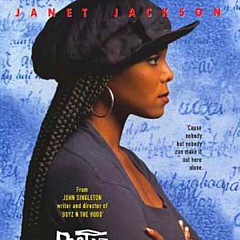
A look at the good (Diana Ross, Eminem), the bad (Madonna, Bob Dylan) and the peculiar (David Bowie, Michael Jackson) film debuts of superstar singers.
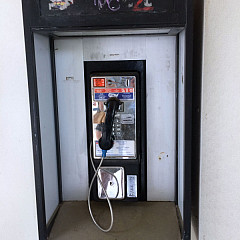
Phone booths are nearly extinct, but they provided storylines for some of the most profound songs of the pre-cell phone era.

Vince Gill, Emmylou Harris and Lyle Lovett are just a few of the artists who have looked to Clark for insightful, intelligent songs.