
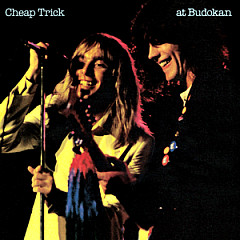
Cheap Trick's original version of "I Want You To Want Me" was countrified and kind of hokey. When they sped it up for their Live At Budokan album, it became a huge hit.
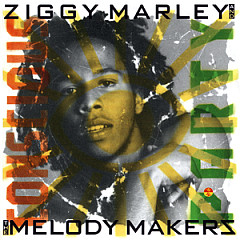
"Tomorrow People" by Ziggy Marley is the first song by a Marley to crack the US Top 40; the highest Bob got was #51 with "Roots, Rock, Reggae."
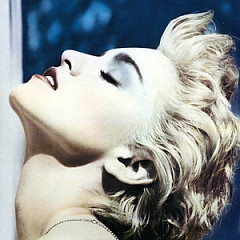
Madonna didn't write "Papa Don't Preach," which deals with abortion. What drew her to the song was the singer standing up to male authority.
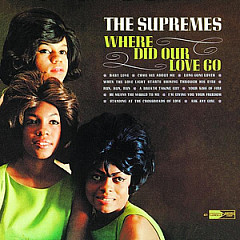
The Motown team of Holland-Dozier-Holland wrote "Where Did Our Love Go" with The Marvelettes in mind, but they turned it down. When The Supremes recorded the tune, Diana Ross was forced to sing in a lower, breathier style than she was used to because it wasn't written for her.
The Pretenders are named after the 1956 song "The Great Pretender" by The Platters.
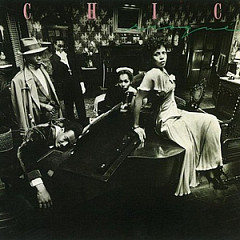
The disco song "Good Tmes" by Chic was a huge influence on early rap, providing the bassline for "Rapper's Delight."
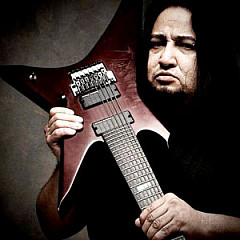
The guitarist/songwriter explains how he came up with his signature sound, and deconstructs some classic Fear Factory songs.
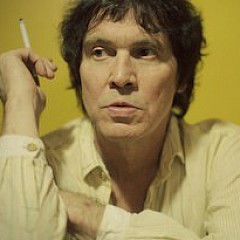
Since his debut single "I'm On Fire" in 1975, Dwight has been providing Spinal-Tap moments and misadventure.
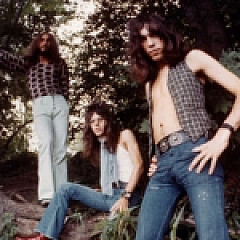
Richie talks about producing the first two Kiss albums, recording "Brother Louie," and the newfound appreciation of his rock band, Dust.
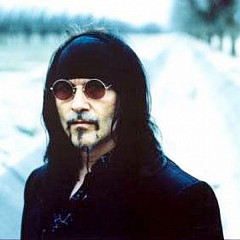
In the name of song explanation, Al talks about scoring heroin for William Burroughs, and that's not even the most shocking story in this one.
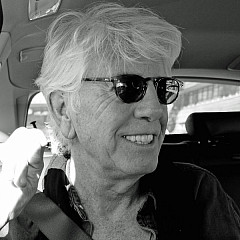
Graham Nash tells the stories behind some of his famous songs and photos, and is asked about "yacht rock" for the first time.
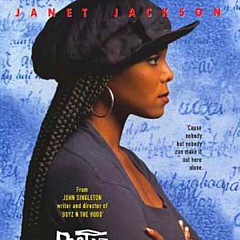
A look at the good (Diana Ross, Eminem), the bad (Madonna, Bob Dylan) and the peculiar (David Bowie, Michael Jackson) film debuts of superstar singers.