

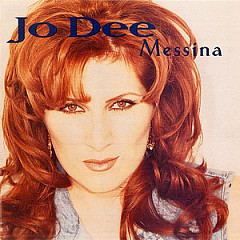
Jo Dee Messina's 1996 country classic "Heads Carolina, Tails California" was inspired by a book released the previous year called Border Music by Robert James Waller, where the main character flips a coin to decide his next destination.
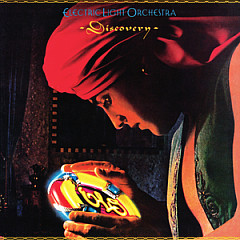
Jeff Lynne sang the word "groose" in the chorus of "Don't Bring Me Down" as a nonsense placeholder, but left it in when he found out it means "greetings" in German ("gruss").

Michael McDonald's "I Keep Forgettin'" is based on a '60s song with the same title written by Jerry Leiber and Mike Stoller.

Ariana Grande's hit "Problem" started off as a track written by One Direction songwriter Savan Kotecha. He gave it the working title of "The Whisper Song," after a 2005 Ying Yang Twins hit.
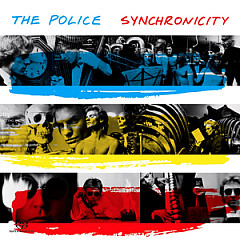
Sting wrote "Every Breath You Take" at the same desk in Jamaica where Ian Fleming wrote his James Bond novels.
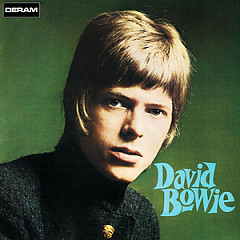
David Bowie's "Space Oddity" tells the story of an astronaut who cuts off communication and floats into space. The BBC used it extensively in their coverage of the 1969 moon landing - an odd choice considering the lyrics.
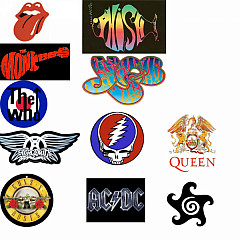
Queen, Phish and The Stones are among our picks for the best band logos. Here are their histories and a design analysis from an expert.
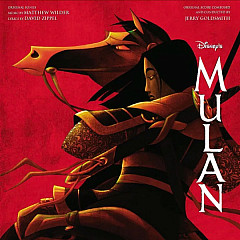
From "Some Day My Prince Will Come" to "Let It Go" - how Disney princess songs (and the women who sing them) have evolved.
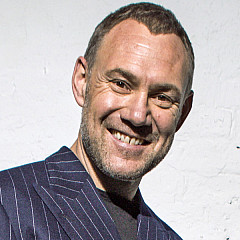
David Gray explains the significance of the word "Babylon," and talks about how songs are a form of active imagination, with lyrics that reveal what's inside us.
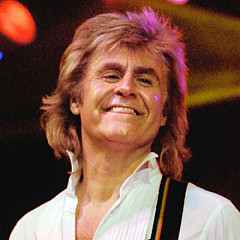
John tells the "St. Elmo's Fire (Man In Motion)" story and explains why he disappeared for so long.
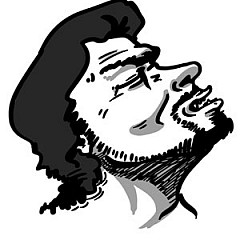
The story of the legendary lupine DJ through the songs he inspired.
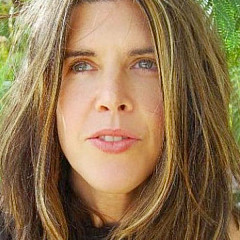
Despite appearances on Carson, Leno and a Pennebaker film, Williams remains a hidden treasure.