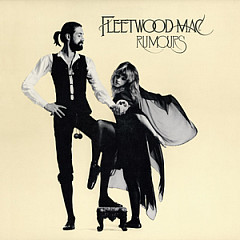
Christine McVie wrote "Songbird" for Fleetwood Mac's Rumours album in just half a hour after she woke up in the middle of the night with the song in her head.
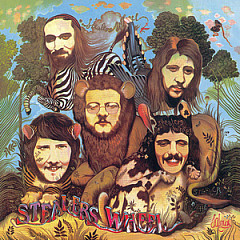
"Stuck In The Middle With You" by Stealers Wheel was the unlikely choice for a scene in Quentin Tarantino's 1992 movie Reservoir Dogs where somebody loses an ear.
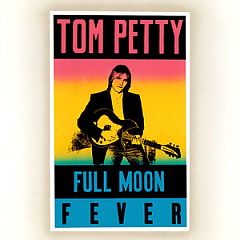
"Free Fallin'" by Tom Petty is set in Los Angeles, as he mentions Reseda, Mulholland and Ventura Boulevard.
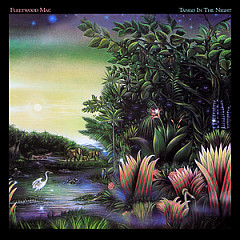
"Big Love" is a showcase song for Lindsey Buckingham and the first single from Fleetwood Mac's 1987 album Tango In The Night, but he left the group soon after the album was released and the band didn't perform it live until he returned 10 years later.
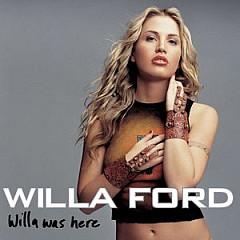
Willa Ford came up with her hit "I Wanna Be Bad" when her record company told her to tone down her music in a effort to differentiate her from Britney Spears and Christina Aguilera, who were in their "bad girl" eras.
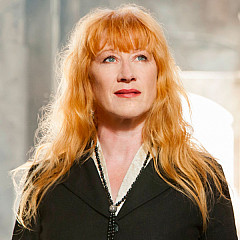
The Celtic music maker Loreena McKennitt on finding musical inspiration, the "New Age" label, and working on the movie Tinker Bell.
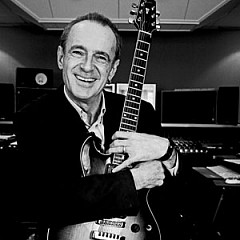
Doubt led to drive for Francis, who still isn't sure why one of Status Quo's biggest hits is so beloved.

The hitmaking songwriter/producer Sam Hollander with stories about songs for Weezer, Panic! At The Disco, Train, Pentatonix, and Fitz And The Tantrums.
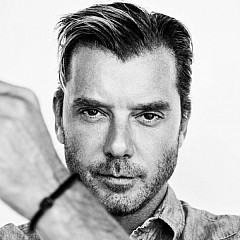
On the "schizoid element" of his lyrics, and a famous line from "Everything Zen."
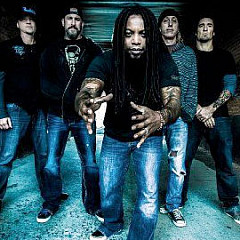
The Sevendust frontman talks about the group's songwriting process, and how trips to the Murder Bar helped forge their latest album.
When a song describes a wedding, it's rarely something to celebrate - with one big exception.