
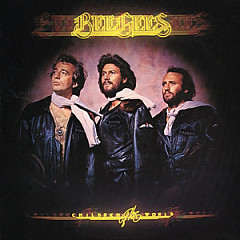
Stephens Stills played timbales on the Bee Gees hit, "You Should Be Dancing." He was in the next door studio laying down a Crosby, Stills and Nash album and could hear Saturday Night Fever being recorded. Stills recognized its potential to be a monster hit and he wanted to contribute.
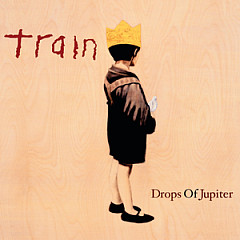
Many assumed Train's breakthrough hit, "Drops Of Jupiter (Tell Me)," is about a woman who leaves a relationship to find herself. Lead singer Pat Monahan actually wrote it after having a dream about his mother, who was "back in the atmosphere" after dying of cancer.
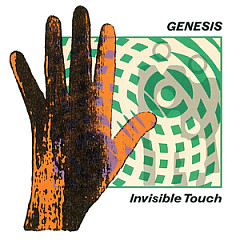
"Invisible Touch" by Genesis was the first time a band member (Phil Collins) had a #1 Hot 100 hit with a group after scoring a #1 solo hit.
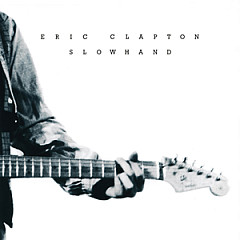
Eric Clapton wrote "Wonderful Tonight" while waiting for his girlfriend, Pattie Boyd, to get ready for a night out. By the time she was ready, he had written the song.

Pat Benatar's "Hit Me With Your Best Shot" was written by a guy named Eddie after going through a weird therapy session where he punched pillows to get out his aggressions.
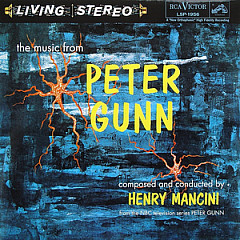
The first TV theme song to become a hit was "Peter Gunn" back in 1959. It's an instrumental composed by Henry Mancini. His version was used on an album called The Music From Peter Gunn, which stayed at #1 for 10 weeks. The song was also a hit for Duane Eddy.
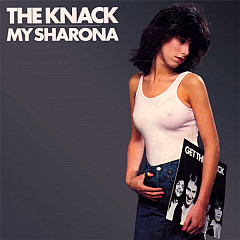
Billie Jean, Delilah, Sara, Laura and Sharona - do you know who the girls in the songs really are?
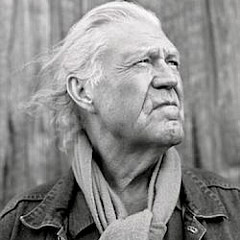
The outlaw country icon talks about the spiritual element of his songwriting and his Bob Dylan mention.
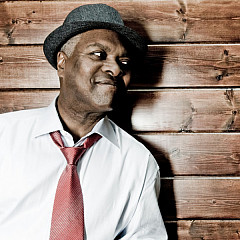
The Stax legend on how he cooked up "Green Onions," the first time he and Otis Redding saw hippies, and if he'll ever play a digital organ.
Stone Temple Pilots bass player Robert DeLeo names the songs that have most connected with fans and tells the stories behind tracks from their Tiny Music album.

Brian has unearthed outtakes by Fleetwood Mac, Aretha Franklin, Elvis Costello and hundreds of other artists for reissues. Here's how he does it.

Justin wrote the classic "Nights In White Satin," but his fondest musical memories are from a different decade.