
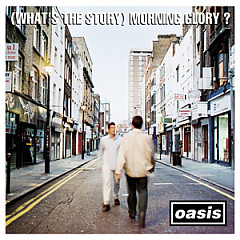
Oasis didn't coin the term "Wonderwall." It's the title of a 1968 movie with a soundtrack by George Harrison. It was Harrison's soundtrack that got the band's attention.

The Dave Matthews Band song "Crash Into Me" seems pretty romantic, but the guy in the song is kind of a stalker. Matthews calls him "the kind of man you'd call the police on."
"Do They Know It's Christmas?" by Band-Aid was the first big group charity single. It was organized by Bob Geldof, who a year later put together "We Are The World" and Live Aid.
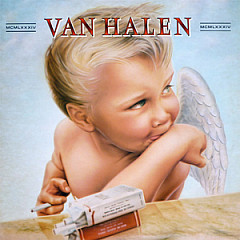
"Panama" by Van Halen is not about the country or the canal, but about a stripper David Lee Roth met in Arizona.
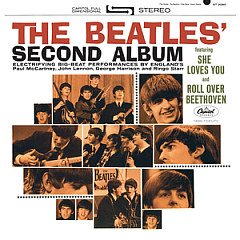
"She Loves You" by The Beatles was the song that convinced Ozzy Osbourne to make music his life. The Beatles were a big influence on him because they were also poor kids from a small town in England.
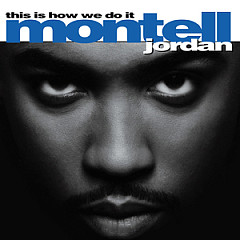
"This Is How We Do It" by Montell Jordan was the first hit to mention a designated driver in the lyric. Before he gets "faded," Montell gives the DD the keys to his truck.
An interview with Dr. John Covach, music professor at the University of Rochester whose free online courses have become wildly popular.

Based on criteria like girlfriend tension, stage mishaps and drummer turnover, these are the 10 bands most like Spinal Tap.
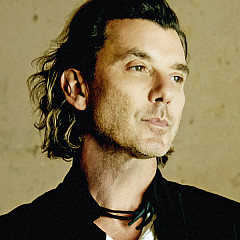
The Bush frontman on where he finds inspiration for lyrics, if his "machine head" is a guitar tuner, and the stories behind songs from the album The Kingdom.
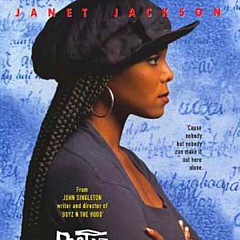
A look at the good (Diana Ross, Eminem), the bad (Madonna, Bob Dylan) and the peculiar (David Bowie, Michael Jackson) film debuts of superstar singers.
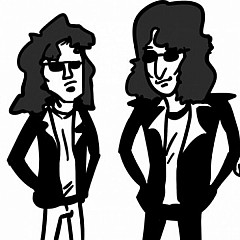
A band so baffling, even their names were contrived. Check your score in the Ramones version of Fact or Fiction.

"Lullaby" singer Shawn Mullins on "Beautiful Wreck," beating the Devil, and his writing credit on the Zac Brown Band song "Toes."