
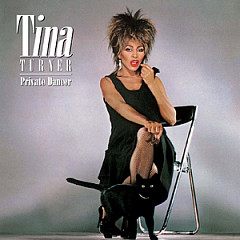
Tina Turner hated "What's Love Got To Do With It" but when her manager convinced her to record it anyway, it became her big comeback hit.
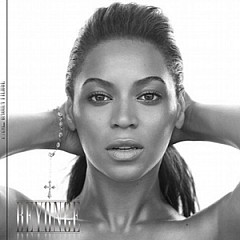
Beyoncé married Jay-Z five months before releasing "Single Ladies (Put a Ring On It)," a song she sang in character as her alter-ego, Sasha Fierce.
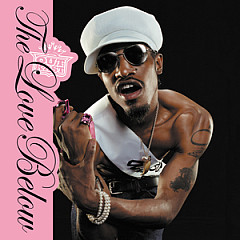
Andre 3000 played all the instruments on Outkast's "Hey Ya" except bass. Aaron Mills from Cameo played that.
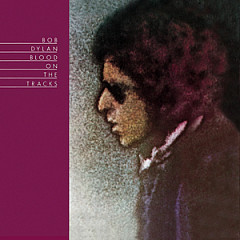
Bob Dylan helped popularize the concept of "burnout" in his 1975 song "Shelter From the Storm" when he sang: "I was burned out from exhaustion, buried in the hail." That's how many Americans were feeling at the time as they worked harder for less pay.
The New Year's Eve favorite "Auld Lang Syne" is a Scottish song that roughly translates to "Days Of Long Ago."
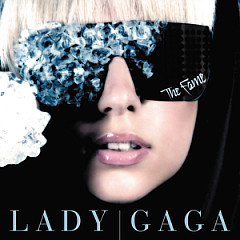
The "Mum-mum-mum-ma" hook on lady Gaga's "Poker Face" was sampled from Boney M's 1977 hit "Ma Baker."

Director Mark Pellington on Pearl Jam's "Jeremy," and music videos he made for U2, Jon Bon Jovi and Imagine Dragons.
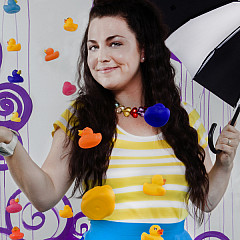
The Evanescence frontwoman on the songs that have shifted meaning and her foray into kids' music.
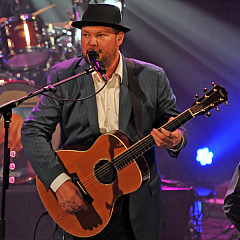
The man who created Yacht Rock with "Sailing" wrote one of his biggest hits while on acid.
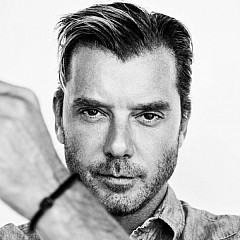
On the "schizoid element" of his lyrics, and a famous line from "Everything Zen."
Ozzy biting a dove? Alice Cooper causing mayhem with a chicken? Creed so bad they were sued? See if you can spot the real concert mishaps.
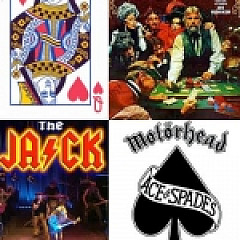
Songwriters have used cards and card games to make sense of heartache, togetherness, and even Gonorrhea.