When Pearl Jam play "Daughter" live, they usually extend the ending so Eddie Vedder can improvise, saying or singing whatever is on his mind.
"Magic" was the first word to serve as both the title of a #1 hit (Olivia Newton-John's 1980 tune "Magic") and the name of an artist behind a chart-topping song (Magic!'s 2014 hit "Rude").
"Piano Man" was inspired by Billy Joel's time playing at a piano bar in Los Angeles. The "real estate novelist" was a guy who always talked about writing a book, but spent all his spare time in the bar.
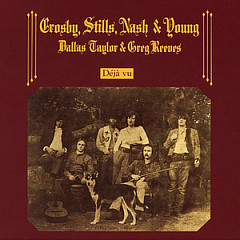
Joni Mitchell wrote "Woodstock" - the most popular song about the festival - but didn't attend the event because she was booked on The Dick Cavett Show.
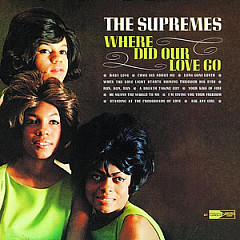
When "Baby Love" reached the top spot, The Supremes became the first Motown act with two #1 hits on the Hot 100.
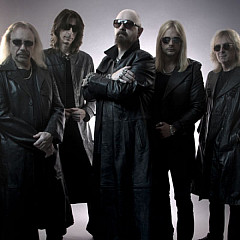
Rob Halford, Richie Faulkner and Glenn Tipton talk twin guitar harmonies and explain how they create songs in Judas Priest.
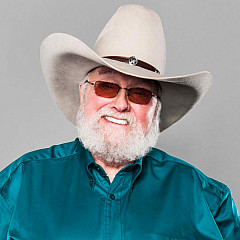
Charlie discusses the songs that made him a Southern Rock icon, and settles the Devil vs. Johnny argument once and for all.

Holly Knight talks about some of the hit songs she wrote, including "The Warrior," "Never" and "The Best," and explains some songwriting philosophy, including how to think of a bridge.
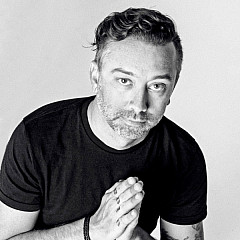
Rise Against frontman Tim McIlrath explains the meanings behind some of their biggest songs and names the sci-fi books that have influenced him.
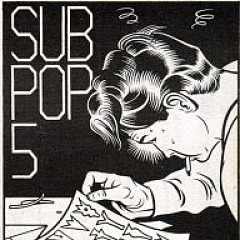
With $50 and a glue stick, Bruce Pavitt created Sub Pop, a fanzine-turned-label that gave the world Nirvana and grunge. He explains how motivated individuals can shift culture.
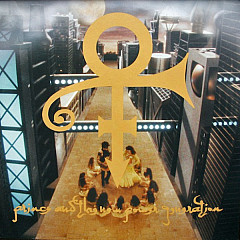
The evolution of the symbol that was Prince's name from 1993-2000.