
Staind's big moment came in 1999 when lead singer Aaron Lewis played "Outside" on Limp Bizkit's Family Values tour. The live, acoustic version earned lots of radio play.
"Handle With Care" started as a George Harrison song with guest appearances by Roy Orbison, Bob Dylan, Tom Petty and Jeff Lynne, but it went so well the five of them decided to form a group - The Traveling Wilburys - and record an entire album.
Bob Dylan helped popularize the concept of "burnout" in his 1975 song "Shelter From the Storm" when he sang: "I was burned out from exhaustion, buried in the hail." That's how many Americans were feeling at the time as they worked harder for less pay.
In Beastie Boys' "Paul Revere," the title refers to the name of a horse. They took it from a song in the musical Guys And Dolls where a character sings, "I got the horse right here, the name is Paul Revere."
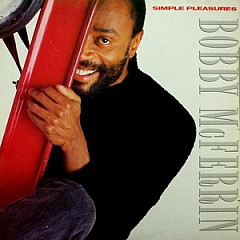
The song "Don't Worry Be Happy" doesn't use any instruments - it's all Bobby McFerrin using various parts of his body to make the sounds.
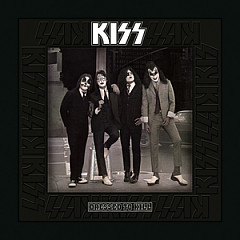
Paul Stanley and Gene Simmons of Kiss wrote "Rock And Roll All Nite" as a "rallying cry for all of our fans." In later years, members of Kiss wrote songs separately.
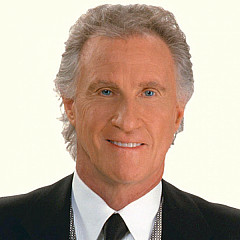
Medley looks back on "Unchained Melody" and "You've Lost That Lovin' Feelin'" - his huge hits from the '60s that were later revived in movies.
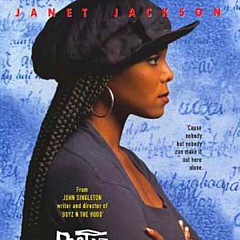
A look at the good (Diana Ross, Eminem), the bad (Madonna, Bob Dylan) and the peculiar (David Bowie, Michael Jackson) film debuts of superstar singers.
The man who brought us "Red Skies" and "Saved By Zero" is now an organic farmer in France.
Don breaks down "Hotel California" and other songs he wrote as a member of the Eagles. Now we know where the "warm smell of colitas" came from.

Yngwie Malmsteen and Steve Vai were two of Graham's co-writers for some '80s rock classics.
Into the vaults for this talk with Bolton from the '80s when he was a focused on writing songs for other artists.