
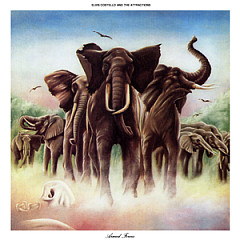
"(What's So Funny 'Bout) Peace, Love, and Understanding" was written by Nick Lowe in 1974. The original version with his group Brinsley Schwarz was kind of somber, but Elvis Costello made it a classic with his 1978 uptempo take.
Sia Furler originally sent "Pretty Hurts" to Katy Perry, but she didn't see the email, so Beyonce ended up recording it instead.

Bob Seger's "Against The Wind" has the famous mind-bending line, "Wish I didn't know now what I didn't know then." Seger was going to cut it, but his Eagles buddies Glenn Frey and Don Henley told him it was the best line in the song.
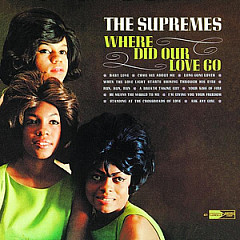
When "Baby Love" reached the top spot, The Supremes became the first Motown act with two #1 hits on the Hot 100.
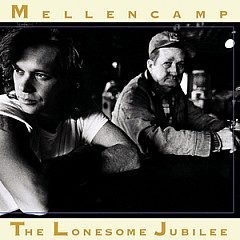
The line in John Mellencamp's "Cherry Bomb" that sounds like "that's when a smoke was a smoke" is actually "that's when a sport was a sport," according to the published lyric. In that sense, "sport" is an endearment for someone of good nature.
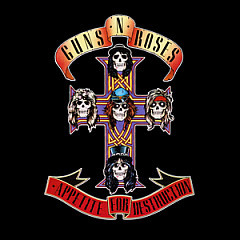
The moans of pleasure in the Guns N' Roses song "Rocket Queen" are authentic.

Brian has unearthed outtakes by Fleetwood Mac, Aretha Franklin, Elvis Costello and hundreds of other artists for reissues. Here's how he does it.

The Yardbirds drummer explains how they created their sound and talks about working with their famous guitarists.
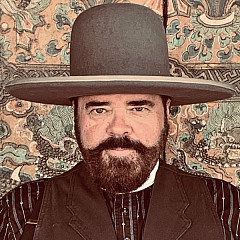
Andrew Farriss on writing with Michael Hutchence, the stories behind "Mystify" and other INXS hits, and his country-flavored debut solo album.
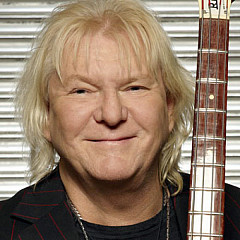
One of the most dynamic bass player/songwriters of his time, Chris is the only member of Yes who has been with the band since they formed in 1968.

The renown rock singer talks about "The House of the Rising Sun" and "Don't Let Me Be Misunderstood."
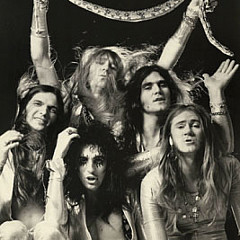
With the band in danger of being dropped from their label, Alice Cooper drummer Neal Smith co-wrote the song that started their trek from horror show curiosity to the Rock and Roll Hall of Fame.