
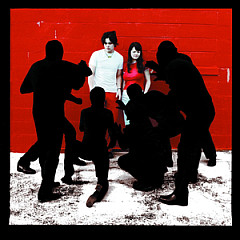
The White Stripes song "We're Going To Be Friends" is very innocent, but Jack White feared it would be interpreted cynically. It wasn't, and was even adapted into a children's book.
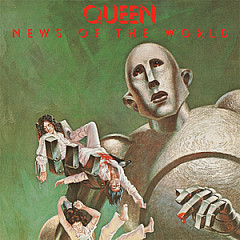
There are no actual drums on Queen's "We Will Rock You," just lots of foot stomping.
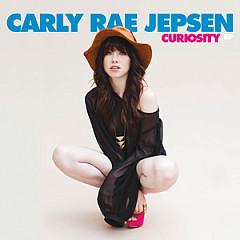
"Call Me Maybe" by Carly Rae Jepsen was the song of the summer in 2012 and a major meme. It got some help from her fellow Canadian Justin Bieber, who tweeted that it was "possibly the catchiest song I've ever heard."

Jimmy Buffett's "Cheeseburger In Paradise" has muenster (cheese), not mustard, as commonly misheard in the line "medium rare with muenster'd be nice."
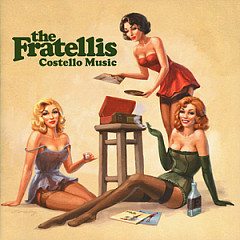
The Fratellis song "Chelsea Dagger" was named for their lead singer's wife - it was her burlesque name.
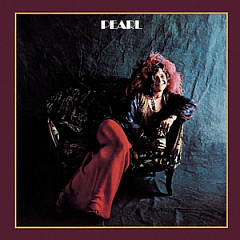
"Me And Bobby McGee" was written by Kris Kristofferson and first recorded by Roger Miller. Janis Joplin's famous version turned Bobby into a boy.
How a country weeper and a blues number made "rolling stone" the most popular phrase in rock.
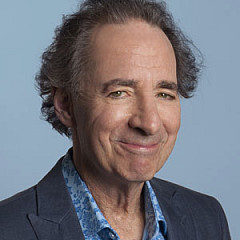
Harry is Derek Smalls in Spinal Tap, Mark Shubb in The Folksmen, and Mr. Burns on The Simpsons.
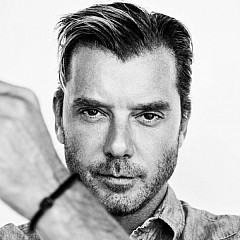
On the "schizoid element" of his lyrics, and a famous line from "Everything Zen."
The lead singer on "Da Doo Ron Ron" and "Then He Kissed Me," La La explains how and why Phil Spector replaced The Crystals with Darlene Love on "He's A Rebel."
David Gray explains the significance of the word "Babylon," and talks about how songs are a form of active imagination, with lyrics that reveal what's inside us.
Billy Joel and Hall & Oates hated making videos, so they chose a director with similar contempt for the medium. That was Jay Dubin, and he has a lot to say on the subject.