
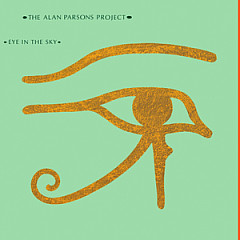
The song used in introductions by the Chicago Bulls and many other sports teams is "Sirius" by The Alan Parsons project, the opening track on the Eye In The Sky album.
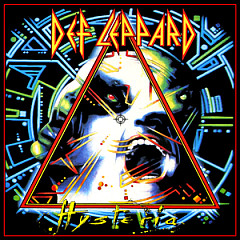
The line "satellite of love" in the Def Leppard song "Rocket" came from the title of a 1972 Lou Reed song.

Christina Perri's "Jar Of Hearts," written about her ex, became a big hit after it was used in a routine on So You Think You Can Dance.
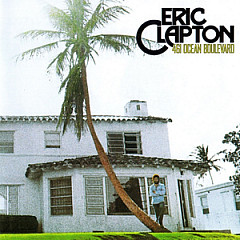
Eric Clapton's only Hot 100 #1, either solo or with one of his many bands, was his cover of Bob Marley's "I Shot The Sheriff."
"I Just Called To Say I Love You" is Stevie Wonder's best-selling single worldwide. It topped the Hot 100, AC, R&B and UK charts all in the same week.
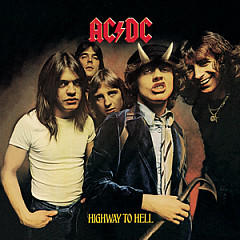
At the end of AC/DC's "Night Prowler," you hear Bon Scott say, "Shazbot, Nanu Nunu." Those were Robin Williams' sayings on his TV show Mork & Mindy. Scott was a big fan.

The longtime Eagle talks about soaring back to his solo career, and what he learned about songwriting in the group.
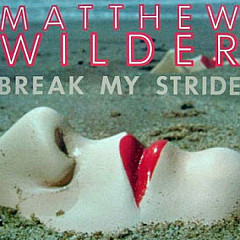
Wilder's hit "Break My Stride" had an unlikely inspiration: a famous record mogul who rejected it.
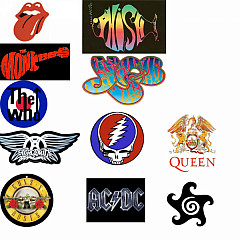
Queen, Phish and The Stones are among our picks for the best band logos. Here are their histories and a design analysis from an expert.
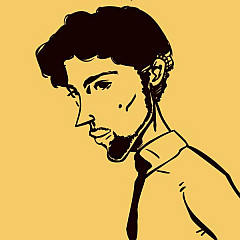
Prince is shrouded in mystery, making him an excellent candidate for Fact or Fiction. Is he really a Scientologist? Does he own an exotic animal?
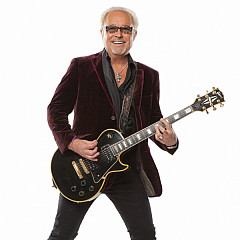
Foreigner's songwriter/guitarist tells the stories behind the songs "Juke Box Hero," "I Want To Know What Love Is," and many more.
Songs that seem to glorify violence against women are often misinterpreted - but not always.