
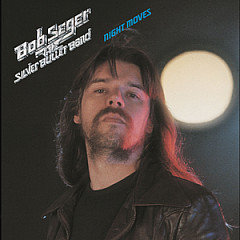
Bob Seger got inspired to write "Night Moves" after watching the movie American Graffiti, which showed young people growing up in his "neck of the woods."
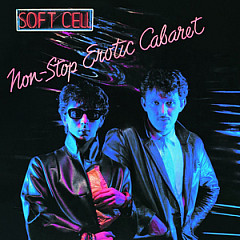
"Tainted Love" started as a 1964 soul song by Gloria Jones, became a huge hit when Soft Cell covered it in 1981, and was the basis for Rihanna's 2006 #1 "S.O.S. (Rescue Me)."

Aimee Mann's "Save Me" was inspired by her relationship with the actor Dave Foley, who had gone through a divorce and was an emotional train wreck.
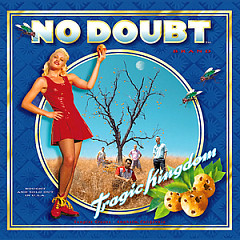
Gwen Stefani wrote the early No Doubt song "Just a Girl" as a message to her overprotective father.
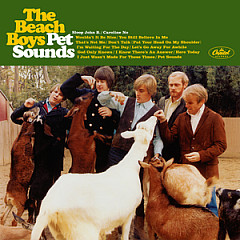
The most famous song to prominently feature a French horn is "God Only Knows" by The Beach Boys.

Zach Bryan and Kacey Musgraves had both gone through divorces when they wrote and recorded the wrenching duet "I Remember Everything." It was the first #1 Hot 100 hit for each of them.

Taylor talks about "The Machine" - the hits, the videos and Clive Davis.
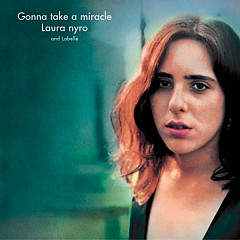
Laura Nyro talks about her complex, emotionally rich songwriting and how she supports women's culture through her art.
Songs that seem to glorify violence against women are often misinterpreted - but not always.
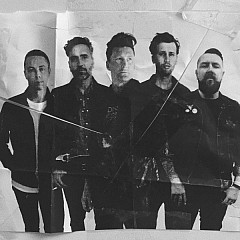
The lead singer/lyricist for Anberlin breaks down "Impossible" and covers some tracks from their 2012 album Vital.
Katy Perry mentions McDonald's, Beyoncé calls out Red Lobster, and Supertramp shouts out Taco Bell - we found the 10 restaurants most often mentioned in songs.
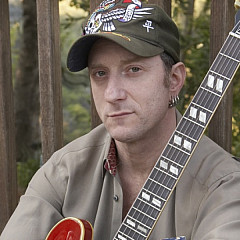
Oliver Leiber talks about writing and producing hits for Paula Abdul, and explains his complicated relationship with his father, the songwriter Jerry Leiber.