

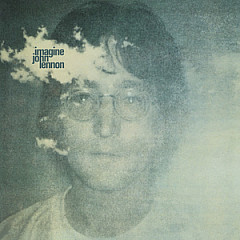
Yoko Ono has always denied requests to cover "Imagine" with the line "no religion, too" omitted or changed.
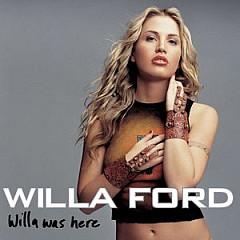
Willa Ford came up with her hit "I Wanna Be Bad" when her record company told her to tone down her music in a effort to differentiate her from Britney Spears and Christina Aguilera, who were in their "bad girl" eras.

"Criminal" is Fiona Apple's only chart hit. Royalties from it allow her to make music on her terms, releasing albums several years apart.
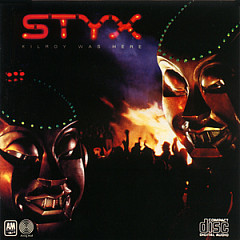
"Mr. Roboto" by Styx was written by their keyboard player, Dennis DeYoung, who used Japanese words and imagery to create an allegory about censorship.
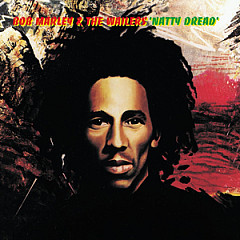
Bob Marley gave the songwriting credit for "No Woman No Cry" to his friend Vincent Ford, who ran a soup kitchen in Trenchtown, the area of Kingston where Marley grew up.
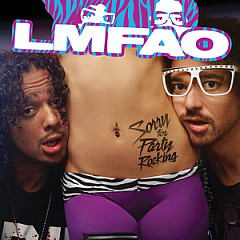
We were all party rocking in 2011 with the global smash "Party Rock Anthem," but rap fans know the "Everyday I'm shufflin'" line is a take on "Everyday I'm hustlin'" from the 2006 Rick Ross track "Hustlin'."
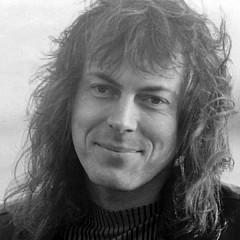
Dokken frontman Don Dokken explains what broke up the band at the height of their success in the late '80s, and talks about the botched surgery that paralyzed his right arm.
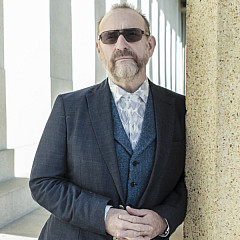
Established as a redoubtable singer-songwriter, the Men At Work frontman explains how religion, sobriety and Jack Nicholson play into his songwriting.

Starting in Virginia City, Nevada and rippling out to the Haight-Ashbury, LSD reshaped popular music.
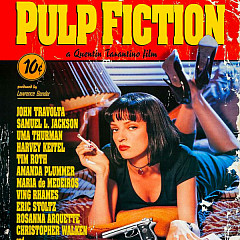
Whether he's splitting ears or burning Nazis, Quentin Tarantino uses memorable music in his films. See if you can match the song to the scene.
Phil was a songwriter, producer and voice behind many Philadelphia soul classics. When disco hit, he got an interesting project: The Village People.
The 5-octave voice of the classical rock band Renaissance, Annie is big on creative expression. In this talk, she covers Roy Wood, the history of the band, and where all the money went in the '70s.