


"Soul Man" was a new term when the song was written in 1967. As defined by the song's co-writer, David Porter, the Soul Man doesn't have a fancy big-city slant, but has "the emotional thing happening inside of him that made people really love him."
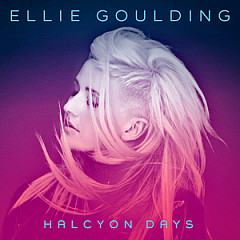
Ellie Goulding's hit single "Burn" was originally demoed by Leona Lewis for her 2011 Glassheart album. She scrapped the tune when the project was retooled to include more ballads.
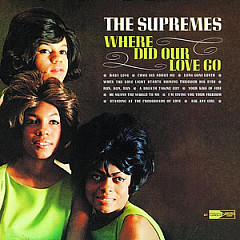
The Motown team of Holland-Dozier-Holland wrote "Where Did Our Love Go" with The Marvelettes in mind, but they turned it down. When The Supremes recorded the tune, Diana Ross was forced to sing in a lower, breathier style than she was used to because it wasn't written for her.
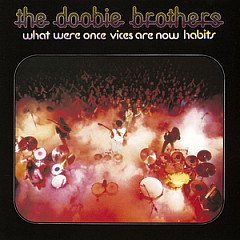
The Doobie Brothers' swampy #1 hit "Black Water" is about the Mississippi River, evoking the rafting adventures Mark Twain and Huckleberry Finn.
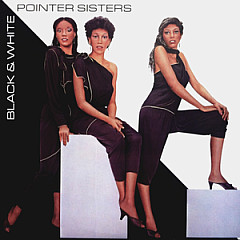
"Slow Hand" was a #1 Country hit for Conway Twitty in 1982, a year after The Pointer Sisters recorded it.
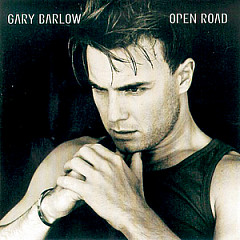
Madonna wrote a song called "Love Won't Wait" that she didn't want, but became a UK #1 hit for Gary Barlow.

How did The Edge get his name? Did they name a song after a Tolkien book? And who is "Angel of Harlem" about?

Greg talks about writing songs of "universal truth" for King Crimson and ELP, and tells us about his most memorable stage moment (it involves fireworks).
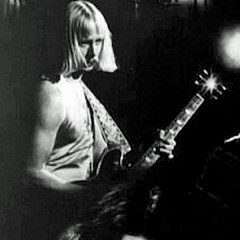
In this talk from the '80s, the Kansas frontman talks turning to God and writing "Dust In The Wind."
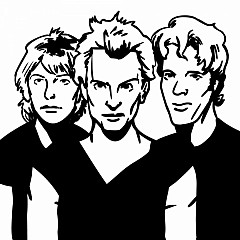
Do their first three albums have French titles? Is "De Do Do Do, De Da Da Da" really meaningless? See if you can tell in this Fact or Fiction.
How a country weeper and a blues number made "rolling stone" the most popular phrase in rock.
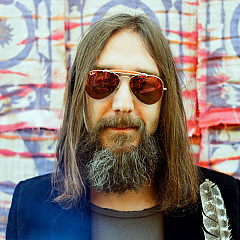
"Great songwriters don't necessarily have hit songs," says Chris. He's written a bunch, but his fans are more interested in the intricate jams.